


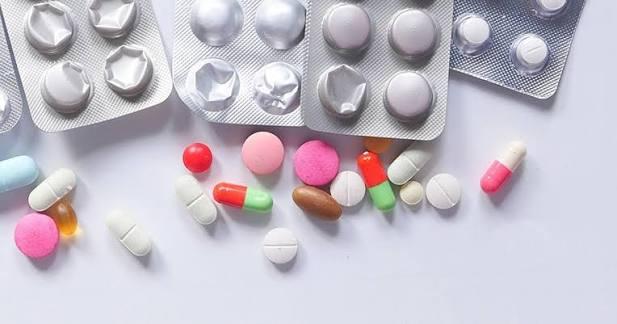
When managing Antibiotics at home in Dubai, safe disposal of antibiotic packaging and medical supplies is an important part of maintaining a clean and safe home environment. Patients may have medicine containers, blister packs, syringes, needles, gloves, gauze, or other supplies left after treatment. Whether medication is managed by a family caregiver or supported by a Doctor at Home, disposal should be handled responsibly according to the type of waste and applicable local guidance. Proper disposal can help reduce accidental exposure, prevent injuries, and keep medicines and potentially contaminated materials away from children, pets, and other household members.
Why Is Safe Disposal of Medical Waste Important?:
Medical supplies should not automatically be treated like ordinary household waste. Items such as used needles and syringes can cause accidental puncture injuries, while medication remnants may create risks if they are accessed or used incorrectly. Appropriate disposal helps keep household waste safer for family members, cleaning personnel, and others who may come into contact with discarded materials. The correct disposal method can vary depending on the material, so patients and caregivers should follow instructions from healthcare professionals, pharmacies, and relevant local waste-management authorities.
Identify the Different Types of Waste:
The first step is to identify what needs to be discarded. Antibiotic treatment may generate several types of waste, and each should be handled according to its characteristics. Ordinary outer packaging may be different from medication containers, while used medical equipment may require specialized handling. Before throwing anything away, caregivers should separate materials and determine whether they contain medication residue, have sharp edges, or have been in contact with bodily fluids.
Common items may include:
- Cardboard medicine boxes
- Empty blister packs
- Medication labels and leaflets
- Empty bottles
- Unused or expired antibiotics
- Used syringes or needles
- Disposable gloves
- Gauze and dressings
- Alcohol wipes
- Other single-use medical supplies
Dispose of Empty Cardboard Packaging Properly:
Clean cardboard boxes that do not contain medication or contaminated materials can generally be handled separately from medical waste, subject to local recycling and waste-management rules. Caregivers should remove any personal information from labels or paperwork before discarding packaging when appropriate. If a box contains medication residue or other potentially hazardous material, it should not automatically be placed with ordinary recyclable waste. Follow local disposal instructions when there is uncertainty.
Handle Blister Packs and Medication Containers Carefully:
Blister packs, bottles, and other medication containers can contain small amounts of medication residue. Caregivers should follow instructions provided by the pharmacy or healthcare provider regarding disposal. Do not reuse prescription medicine containers for storing household products, food, or other medicines unless specifically designed and approved for such use. Keeping medication packaging intact until it is ready for appropriate disposal can also reduce confusion about what was prescribed and what remains available.
Never Flush Antibiotics Without Specific Guidance:
Flushing medicines down a toilet or sink should not be treated as a general disposal method. Pharmaceuticals can enter wastewater systems, and disposal recommendations vary depending on the medication and local regulations. Patients should ask a pharmacist or appropriate local authority how unused or expired antibiotics should be disposed of. Unless specific professional or official instructions recommend another method, avoid disposing of medicines through sinks or toilets.
Do Not Pour Liquid Antibiotics Down the Drain:
Liquid antibiotics may require additional care because they can leave medication residue in bottles or measuring devices. Caregivers should follow the product's disposal instructions and seek guidance from a pharmacist when necessary. Do not pour leftover medication into a sink or drain simply because the treatment has ended. If the medication is no longer needed, ask about an appropriate medication take-back or disposal option available in the local area.
Keep Unused and Expired Antibiotics Separate:
Unused or expired antibiotics should not be kept in the household simply because they may be useful later. Antibiotics should not be reused for a future illness unless a qualified healthcare professional specifically prescribes them. Keeping old medication can also create a risk of accidental use by children or other household members. Separate unwanted medication from regularly used medicines while arranging appropriate disposal according to pharmacy or local authority guidance.
Use Extra Care With Needles and Syringes:
Used needles, syringes, and other sharps require special attention because they can cause puncture injuries. They should never be placed loose into ordinary household rubbish, recycling bins, or bags where another person could accidentally encounter them. Used sharps should be placed into an appropriate puncture-resistant sharps container according to professional and local disposal guidance. Patients who receive injections or other procedures at home should ask their healthcare provider how used equipment will be collected or disposed of.
Never Recap Used Needles Unless Instructed:
Recapping a used needle can increase the risk of accidental needlestick injuries when it is done incorrectly. Patients and caregivers should follow the specific safety procedure provided by the healthcare professional responsible for the treatment. In many situations, the safest approach is to place the used sharp directly into an appropriate sharps container without unnecessary handling. Never bend, break, or manually manipulate a used needle before disposal.
Dispose of Gloves, Gauze, and Wipes Responsibly:
Disposable gloves, gauze, and wipes used during routine home care should be handled according to the nature of the material and local waste guidance. Items contaminated with blood or other bodily fluids may require different handling from clean packaging. Caregivers should avoid shaking or unnecessarily handling used materials. Place disposable items into suitable waste containers as instructed by the healthcare provider or local waste-management service.
Keep Medical Waste Away From Children and Pets:
Children and pets may be curious about discarded packaging and medical supplies. Used syringes, medication bottles, and other supplies should therefore be kept out of their reach during both treatment and disposal. A temporary waste container should be placed somewhere secure and inaccessible. Caregivers should also avoid leaving medication packaging or used supplies on bedside tables, floors, or other easily accessible surfaces.
Remove Personal Information From Packaging:
Prescription packaging can contain patient names, prescription details, pharmacy information, or other identifying information. Before disposing of medicine labels, boxes, or paperwork, caregivers may want to remove or obscure personal information where appropriate. This simple step can help protect privacy. Patients should retain important medical documents that they still need rather than discarding them simply because they are attached to medication packaging.
Keep a Dedicated Disposal Area During Treatment:
A designated area for unwanted packaging and medical supplies can help prevent accidental mixing of waste. However, potentially hazardous items should not simply accumulate in an open household container. Caregivers should separate sharps, medication waste, and ordinary packaging according to professional instructions. Regularly organizing the disposal area can also make it easier to identify what requires pharmacy or professional collection.
Ask Healthcare Professionals About Disposal Procedures:
When patients are unsure how to dispose of a particular item, asking a healthcare professional or pharmacist is safer than guessing. This is especially important for unused medication, liquid antibiotics, syringes, needles, and supplies contaminated with bodily fluids. Professional home healthcare providers can also explain which materials they will remove as part of their service, if applicable, and which items the household must dispose of separately.
Understand Local Disposal Options in Dubai:
Disposal requirements can differ according to the type of waste and local regulations. Patients receiving antibiotics at home should seek current guidance from appropriate healthcare facilities, pharmacies, or local waste-management authorities in Dubai when disposing of medicines and medical supplies. If a medication take-back or designated collection service is available, patients can ask whether their unwanted antibiotics qualify. Following official disposal instructions helps ensure that waste is handled through the appropriate channel.
Avoid Reusing Disposable Medical Supplies:
Many medical supplies are designed for single use and should not be reused simply to reduce waste. Reusing syringes, needles, gloves, dressings, or other disposable equipment can create unnecessary health and safety risks. Caregivers should follow the instructions provided for each product and use sterile or new supplies when required by the treatment plan. Any reusable equipment should only be cleaned and maintained according to appropriate professional instructions.
Prepare for the End of Antibiotic Treatment:
When the antibiotic course ends, caregivers can review the medication area and identify what remains. Check for unused medication, empty containers, expired products, and used medical supplies. Do not automatically discard everything together. Instead, separate the materials and follow the appropriate disposal guidance for each category. This final review can also help prevent leftover antibiotics from remaining in the home where they could be accidentally used later.
Final Thoughts:
Safe disposal is an important part of responsible Antibiotics at home in Dubai management. Cardboard packaging, medicine containers, unused antibiotics, syringes, needles, gloves, gauze, and other medical supplies may require different disposal approaches. Patients and caregivers should never place used sharps loosely into household rubbish or flush antibiotics down drains unless specifically instructed by an appropriate authority. Asking a pharmacist, healthcare provider, or relevant local waste-management authority for current disposal guidance can help ensure that unwanted medication and medical supplies are handled appropriately. By separating different types of waste, protecting children and pets, safeguarding personal information, and following professional instructions, households can maintain a safer environment during and after antibiotic treatment.

 English
 Arabic
 French
 Spanish
 Portuguese
 Deutsch
 Turkish
 Dutch
Dutch
 Italiano
 Russian
 Romaian
 Greek
Greek