


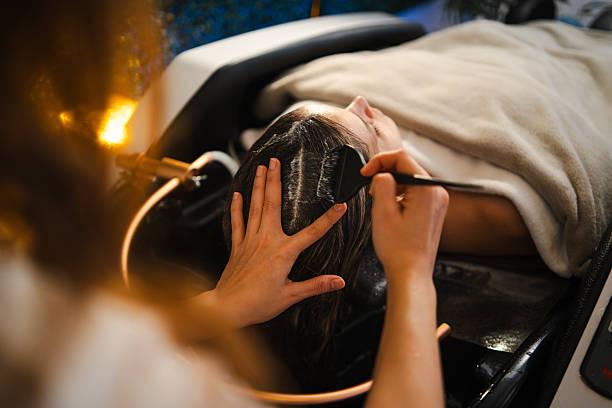
Your hair feels off. Maybe it's snapping when you comb it, or it's gone totally limp and won't hold a style anymore. You've tried a deep conditioner, a protein pack, maybe both, and somehow things still aren't right. Sound familiar? The problem most people run into isn't a lack of products. It's using the wrong type of treatment for what their hair actually needs. Applying a heavy protein treatment to already-stiff hair makes it snap faster. Piling on moisture when your strands are weak and stretchy just makes things worse. If you're looking for Hair Treatment in North Brunswick, NJ, understanding this distinction before you walk through the door will save you time, money, and a lot of frustration.
What Protein Treatments Actually Do
Hair is mostly keratin. That's just a structural protein that forms the actual shaft of your strand. When you color, heat-style, bleach, or even just wash your hair repeatedly, those keratin bonds start to break down. The strand gets porous, rough, and weak. Protein treatments work by depositing hydrolyzed proteins (usually keratin, wheat, or silk-derived) into those gaps, temporarily patching the structure back together.
The result? Hair that feels stronger, holds its shape better, and resists breakage more effectively. But here's the thing: protein builds up. Too much of it leaves hair feeling straw-like, crunchy, and prone to snapping. You don't want to over-correct. A strand that's brittle, breaks with almost no pulling, and feels rough to the touch is almost always asking for protein, not more conditioner.
What Moisturizing Treatments Do
Moisture treatments are a completely different fix. They work by pushing water back into the hair shaft and then sealing the cuticle so that water doesn't escape too fast. Ingredients like aloe vera, glycerin, hyaluronic acid, and heavy emollients like shea butter all play a role here. The goal is softness, flexibility, and frizz reduction.
Dry hair and protein-deficient hair can look similar from the outside. Both can be dull and difficult to manage. But the behavior is different. Hair that's crying out for moisture usually stretches way too much before it breaks, feels rough and dry even right after washing, and tends to frizz badly in humidity. It's not weak in structure. It's just thirsty. Flooding that hair with protein treatments will make it hard and brittle fast.
According to hair care research on Wikipedia, the hair shaft's ability to absorb and retain moisture is closely tied to cuticle condition and porosity, which is exactly why understanding your hair's porosity matters so much before you pick a treatment type.
How to Read Your Own Hair
The Stretch Test
Take a single wet strand. Pull it gently from both ends. If it barely stretches and snaps almost immediately, your hair is protein-deficient and needs structural support. If it stretches a long way (think a rubber band going way past its natural length) before snapping, or doesn't snap at all, you've got too much moisture and not enough protein. Healthy hair stretches a little, then bounces back. Simple as that.
The Porosity Check
Drop a clean strand into a glass of room-temperature water. Wait two or three minutes. Strand floating near the top means low porosity, which means your hair resists absorbing moisture and products sit on top rather than soaking in. Strand sinking fast means high porosity, and that hair drinks up moisture quickly but loses it just as fast. High-porosity hair usually needs both protein (to patch the gaps in the cuticle) and regular moisture to stay balanced. Low-porosity hair often just needs lightweight moisture and heat to help it absorb.
Common Symptoms at a Glance
-
Brittle, snaps with little tension, feels rough: likely needs protein
-
Limp, won't hold a curl, stretches too far: likely needs protein too, but in a different way
-
Dry, frizzy, rough after washing but not breaking: needs moisture
-
Mushy, gummy when wet: serious protein deficiency, often from over-conditioning or bleach damage
-
Generally dull and lifeless despite regular conditioning: check porosity first
When to Combine Them and When to Alternate
Some hair genuinely needs both, just not at the same time. Alternating is usually the smarter play. A common schedule that works well for a lot of people is protein treatment one week, deep moisture treatment the next. That rhythm keeps the balance without tipping too far in either direction. You're not guessing every wash day. You've got a system.
Combining them in a single session makes sense in specific situations. If your hair is both structurally damaged and severely dry (which often happens after heavy bleaching), a stylist might apply a protein treatment, let it process, and then follow up with a moisture mask in the same appointment. Color On Edge Beauty Lounge. is one place where this kind of back-to-back approach gets done properly, with a professional reading your hair's condition rather than you guessing at home.
Don't just layer products randomly. That's where most people go wrong. If you protein-treat every single week, your hair will get stiff and start snapping. If you deep condition every week with no protein, you'll eventually end up with hair that stretches like taffy and won't hold any style.
How Hair Type and Chemical History Change Everything
Color-treated hair loses protein bonds every single time dye or bleach opens the cuticle. If you're coloring regularly, you almost certainly need more protein in your routine than someone who isn't. Heat-damaged hair is similar. Flat irons and curling wands break down keratin over time, and no amount of conditioner will fix that structural loss.
Naturally coily and tightly textured hair is a different situation. Coily hair tends to be naturally drier because the curl pattern makes it harder for scalp oils to travel down the strand. That means moisture is almost always a priority. But coily hair that's also been chemically relaxed or colored needs protein attention too. Fine hair is also worth calling out specifically. It gets weighed down by heavy moisture treatments fast, so lighter protein treatments (like a rice water rinse or a light keratin spray) often work better than a heavy mask.
The bottom line with Hair Treatment services in North Brunswick, NJ is that there's no one-size-fits-all answer. Your hair type, texture, chemical history, and even the water quality in your area all affect what it needs. Getting a professional assessment at least once can save you months of trial and error at home.
Frequently Asked Questions
Can I use a protein treatment and a deep conditioner on the same day?
Yes, you can, but do them in order. Protein treatment first, then rinse, then follow with your moisture treatment. Don't mix them together in the bowl. They work differently and need separate processing time to actually do their job.
How often should I do a protein treatment?
Most people do fine with once every four to six weeks. If your hair is heavily damaged from bleach or heat, you might need it more often at first, then taper back once things stabilize. Watch how your hair responds. If it starts feeling stiff or snapping more, scale back immediately.
My hair feels soft but keeps breaking. What's going on?
That's a classic sign of protein deficiency. Soft doesn't always mean healthy. If your hair stretches too much and then breaks, or feels gummy when wet, it's lacking structural support. Switch to a protein treatment and hold off on heavy conditioners for a couple of weeks.
Are Hair Treatment services in North Brunswick, NJ different from what I can do at home?
Professional treatments use higher concentrations of active ingredients than most store-bought products. A stylist can also assess your hair's actual condition before choosing a treatment, which cuts out the guesswork. Home treatments work for maintenance, but if your hair is seriously damaged, a professional visit is worth it.
Does porosity change over time?
It can. Chemical services, heat damage, and even hard water all raise porosity over time. Healthy hair care habits, like sealing with oils and avoiding excessive heat, can bring it back down gradually. It's not permanent, but it does take consistent effort over several months to shift it noticeably.
The difference between a protein treatment and a moisture treatment isn't just about ingredients. It's about what your hair's structure is actually missing right now. Get that right, and most hair problems start to sort themselves out pretty quickly.

 English
 Arabic
 French
 Spanish
 Portuguese
 Turkish
 Dutch
Dutch
 Italiano
 Russian
 Romaian
 Portuguese (Brazil)
 Greek
Greek