


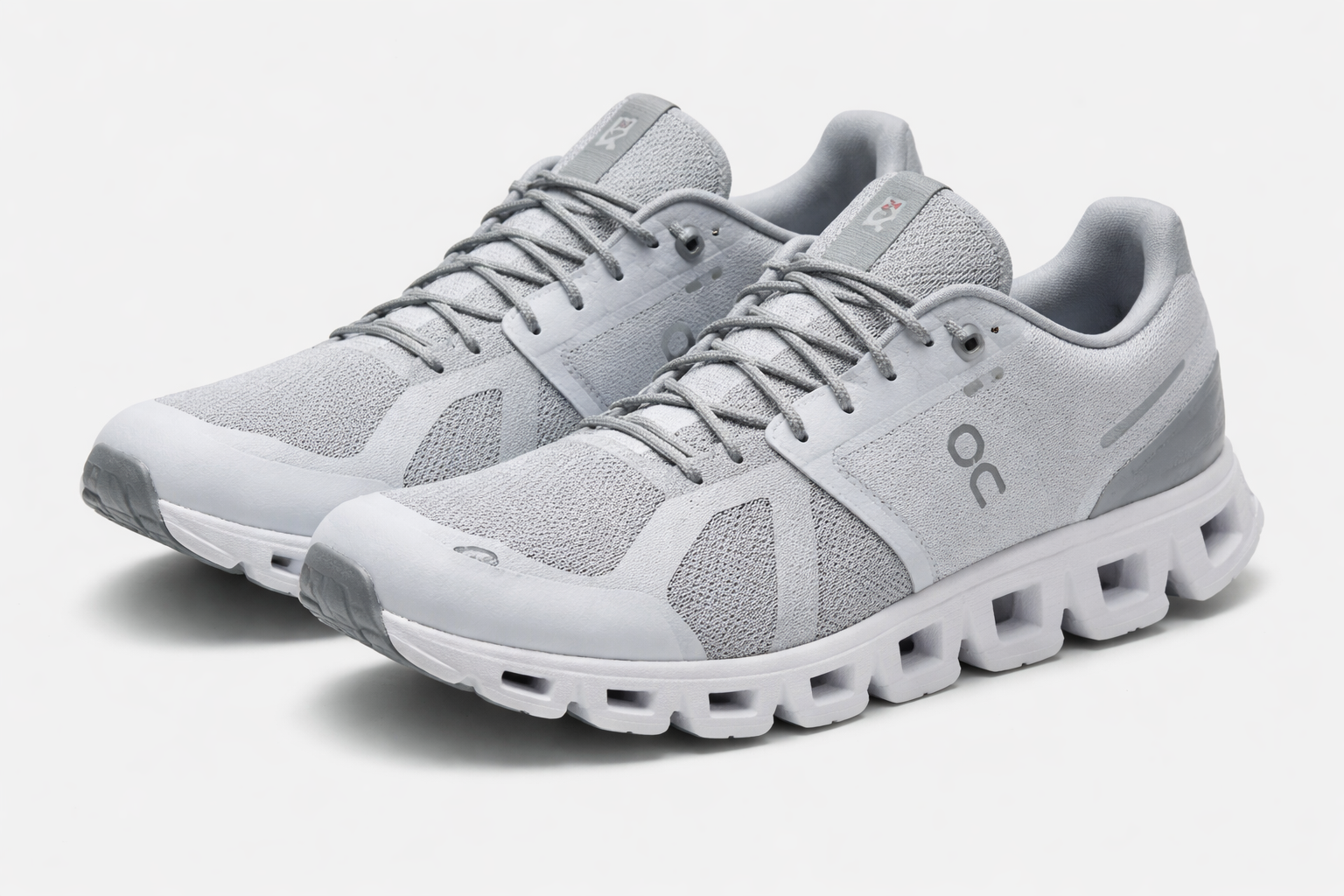
Let me start with a confession. For years, I rolled my eyes every time someone raved about on cloud shoes. You know the type—the airport power walker, the “I only do zone 2 cardio” runner, the neighbor who somehow mows their lawn in sneakers that cost more than my grocery budget. It felt like a cult. A very comfortable, Swiss-engineered cult.
Fast forward to last month. My knees were shouting at me after every morning jog. My go-to pair of trainers had the cushioning of two cardboard boxes taped together. So, with a sigh and a swipe of my credit card, I bought a pair of on clouds.
And here’s the annoying part: they were right. All of them. The hype, the heel-wiggle test, the way people whisper “cloud” like it’s a secret handshake. I get it now. So let me walk you through what actually happens when you stop judging and start lacing up.
What “On Clouds” Actually Feels Like (No Marketing Fluff)
The first thing you notice isn’t the look—though the hollowed-out sole with those little speed-boards is weirdly hypnotic. It’s the step-in. You slide your foot in, and there’s a soft, immediate hug around your arch. Not tight. Just… aware of you.
Then you take a step. And this is where the name makes sense.
Most running shoes feel like a mattress. Soft, sure, but you sink. After a few miles, that sinking feeling turns into a swampy, unstable mess. On cloud shoes are different. The sole is made of these flexible, pod-like tubes that compress vertically when you land softly, but lock horizontally when you push off. In human words: they feel squishy when you stand still, but responsive when you actually move.
I tested this on purpose. Stood in my kitchen doing nothing for two minutes. Felt like standing on a gym mat. Then I sprinted to catch my bus (dignity optional). The shoe snapped back, gave me a little pop, and didn’t bottom out. That’s the secret. Soft landing, firm takeoff.
The Break-In Period That Wasn’t
Here’s where most “comfortable” shoes lie to you. They say “just give them 20 miles” as if your blisters are a rite of passage. The on cloud didn’t ask for that.
Zero break-in. I wore them straight out of the box to a full day of errands. Grocery store, post office, standing in line at a crowded pharmacy, then a two-mile walk home because I missed my stop on purpose (they’re that pleasant). No heel slip. No toe pinch. No moment where I had to sit down and loosen the laces while pretending to check my phone.
The upper is made from this recycled mesh that breathes like linen but holds like neoprene. My feet don’t overheat. They don’t slide around. And the laces? They stay tied. Small win, huge quality of life improvement.
Where On Cloud Shoes Shine (And Where They Don’t)
Let’s be real. No shoe is perfect. I’ve learned a few things after 300+ miles in mine.
Best for:
-
Everyday walking (city trips, zoo days, airport madness)
-
Short to medium runs (3–8 miles)
-
Standing on hard floors (concrete, tile, wood)
-
People who want one shoe for the gym, coffee runs, and travel
Not great for:
-
Muddy trails (small rocks get stuck in the sole pods)
-
Heavy weightlifting (too much cushion for squats)
-
Formal events (they look sporty, not dressy)
That last one surprised me. I saw a guy wear onclouds to a wedding. With a blazer. Don’t do that.
A Quick Note on the “On Cloud” Pronunciation Trap
You’ll see it written different ways online. On clouds. On cloud. On Cloud. Doesn’t matter. They all point to the same Swiss brand. But if you want to sound like you know what you’re talking about in a running store, just say “On” (like the preposition). The shoes are called On. “Cloud” is the model line. So an on cloud shoe is a specific type of On sneaker with that signature pod sole.
But honestly? Nobody corrects you. Call them on cloud. Call them cloud sneakers. Call them “those weird hole-shoes my aunt loves.” They still work the same.
How They Hold Up After Real Life
One worry with soft-looking shoes is durability. I dragged mine across gravel, through rain puddles, and onto a beach (accidentally, don’t ask). Here’s the damage report after four months:
-
Soles: still springy, no flattened pods
-
Mesh: one tiny snag from a rose bush, my fault
-
Heel collar: intact, no tearing
-
Laces: still tied (seriously, what’s the magic here?)
I washed them once on a cold cycle, air-dried overnight, and they came back looking 90% new. For a shoe this lightweight (each one feels like holding a banana), that’s impressive.
Who Should Actually Buy On Cloud Shoes
If you’re a hardcore marathoner chasing a PR? Probably not. You want carbon plates and razor drop.
But if you’re like me—someone who wants to move more, hurt less, and not think about their feet for eight hours straight—then yes. Absolutely yes.
I’ve stopped overthinking which shoe to pack for trips. These are the ones. They go with joggers, shorts, even dark jeans if you squint. They don’t scream “look at me,” but they also don’t apologize for looking clean.
And that weird mental shift? I actually look forward to walking now. That’s the part no ad campaign tells you. When something feels good on your feet, you find reasons to use them. Park farther away. Take the stairs. Walk to the bakery instead of driving. It’s small. But it adds up.
Final thought (and one honest complaint)
If I had to nitpick: the price stings. Most on clouds hover around
140–
140–170. That’s real money. And the colorways can be boring—lots of white, grey, and “oatmeal.” But after wearing through cheap sneakers every six months, the math actually works out. Pay more now, buy less later.
So yeah. I’m the person I used to laugh at. I own on cloud shoes. I like them. I recommend them. And if you see me at the airport, heel-wiggling at the gate, just know: my knees don’t hurt anymore, and I’m not sorry.

 English
 Arabic
 Spanish
 Portuguese
 Deutsch
 Turkish
 Dutch
Dutch
 Italiano
 Russian
 Romaian
 Portuguese (Brazil)
 Greek
Greek