


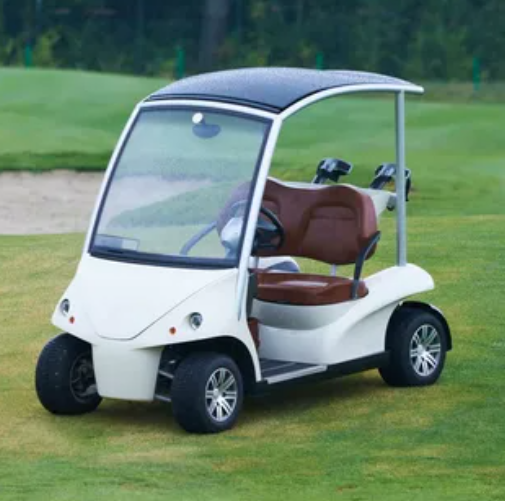
Corroded golf cart batteries can pose serious safety risks if not handled properly, including chemical exposure, electrical hazards, and environmental contamination. Whether you use your golf cart for personal transport, golfing, or community travel, knowing how to safely manage and dispose of damaged batteries is essential. Proper handling also extends the life of your equipment and ensures safe operation. In many areas, including services such as old golf cart battery removal the village fl, professional assistance is often recommended due to the hazardous nature of battery corrosion.
Understanding Battery Corrosion in Golf Carts
Corrosion in golf cart batteries typically occurs due to the buildup of hydrogen gas, acid leakage, or prolonged exposure to heat and moisture. Most golf carts use lead-acid batteries, which contain sulfuric acid and lead plates. When these batteries age or are improperly maintained, the acid can leak and react with metal terminals, creating a white, blue, or greenish crust around the battery connections.
This corrosion not only reduces battery performance but can also damage the cart’s electrical system. If left untreated, it can lead to complete battery failure or even safety hazards such as short circuits or acid burns.
Safety Precautions Before Handling Batteries
Before attempting to inspect or clean corroded batteries, it is important to take proper safety measures. Always wear protective gear such as rubber gloves, safety goggles, and long sleeves. Battery acid is highly corrosive and can cause serious skin and eye injuries.
Make sure the golf cart is turned off and the key is removed. If possible, disconnect the battery pack starting with the negative terminal first to minimize the risk of electrical shock or sparks. Work in a well-ventilated area to avoid inhaling any harmful fumes.
Inspecting the Battery Condition
Once it is safe to approach, carefully inspect the battery for visible signs of damage. Look for leaking acid, bulging battery cases, or excessive corrosion on terminals and cables. If the corrosion is minor, it may be cleaned. However, if the battery is heavily damaged or leaking, it should not be cleaned or reused and must be replaced immediately.
Cleaning Light Corrosion Safely
For mild corrosion, you can clean the battery terminals using a simple baking soda and water solution. Mix one tablespoon of baking soda with a cup of water and apply it carefully to the affected areas using a brush. This neutralizes the acid and helps remove buildup.
After cleaning, wipe the area with a dry cloth and ensure all moisture is removed. You can also apply a protective terminal spray or petroleum jelly to slow future corrosion. However, cleaning should only be done when the battery is stable and not leaking.
When to Avoid DIY Handling
If corrosion is extensive or the battery is leaking acid, it is best to avoid any DIY cleaning attempts. Handling severely damaged batteries without proper training can be dangerous. In such cases, professional services specializing in battery disposal and replacement are the safest option.
Many communities rely on trained technicians who are equipped to safely remove and transport hazardous battery materials without risk to people or the environment.
Proper Battery Removal and Disposal
Old or corroded golf cart batteries should never be thrown in regular trash due to their toxic components. Lead-acid batteries require special recycling procedures. Most regions have designated recycling centers or certified disposal services that handle them safely.
During removal, batteries should be carefully lifted using proper equipment or handled by professionals to avoid spills. Always keep batteries upright to prevent acid leakage during transport.
Preventing Future Corrosion
Preventive maintenance is the best way to avoid corrosion issues. Regularly check battery terminals for buildup and clean them every few months. Ensure that batteries are properly charged and not overcharged, as this can increase gas release and corrosion risk.
Keeping the battery compartment clean and dry also helps reduce moisture-related corrosion. Applying anti-corrosion gel or protective sprays can further extend battery life and improve performance.
Importance of Professional Assistance
While minor maintenance can be done by golf cart owners, professional assistance is highly recommended for battery replacement and disposal. Experts ensure that batteries are handled safely and in compliance with environmental regulations. They also help prevent damage to the golf cart’s electrical system during removal or installation.
Using professional services reduces risk, saves time, and ensures that hazardous materials are disposed of responsibly.
Final Thoughts
Corroded golf cart batteries should always be treated with caution due to the chemical and electrical risks involved. Understanding safe handling procedures, recognizing when to avoid DIY methods, and seeking professional help when necessary can prevent accidents and extend the life of your golf cart.

 English
 Arabic
 French
 Portuguese
 Deutsch
 Turkish
 Dutch
Dutch
 Italiano
 Russian
 Romaian
 Portuguese (Brazil)
 Greek
Greek