


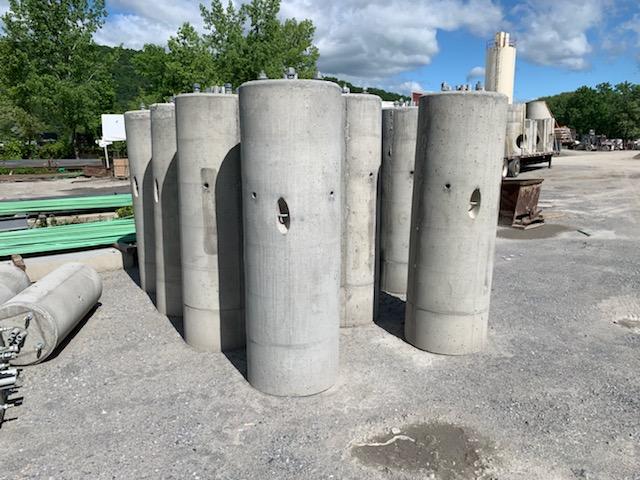
A precast light pole base is an important part of modern construction projects that involve outdoor lighting. It is widely used in streets, highways, parking lots, industrial areas, airports, parks, and stadiums. Its main job is to support and hold a light pole firmly in place so that it stays safe and stable in all weather conditions.
In today’s construction industry, speed, safety, and quality matter a lot. That is why precast light pole bases have become more popular than traditional on-site concrete bases. They save time, improve quality, and make installation much easier.
In this blog, we will explain everything about precast light pole bases in simple English. You will learn what they are, how they are made, how they are used, their benefits, installation steps, and why they are better than traditional methods.
What Is a Precast Light Pole Base?
A precast light pole base is a concrete foundation that is made in a factory before it is taken to the construction site. It is used to support a light pole and keep it strong and stable.
Instead of mixing and pouring concrete on-site, workers make the base in a controlled environment. They use molds, steel reinforcement, and high-quality concrete to create a strong structure. After it is fully cured and ready, they transport it to the project location.
This method makes construction faster and more reliable.
Why Do We Use a Light Pole Base?
A light pole is tall and exposed to wind, rain, and vibration. Without a strong base, it can tilt, shake, or even fall.
The light pole base solves this problem. It:
- Holds the pole firmly in the ground
- Spreads the load evenly into the soil
- Prevents movement or tilting
- Protects underground electrical wiring
- Increases the life of the lighting system
So, the base is not just a support—it is a safety structure.
How a Precast Light Pole Base Is Made
The manufacturing process happens in a factory, and it follows several important steps:
1. Mold Preparation
Workers prepare a steel or wooden mold in the shape of the base. The size depends on the project requirements.
2. Steel Reinforcement
They place steel bars inside the mold. This steel framework gives strength to the concrete and prevents cracking.
3. Installing Anchor Bolts and Conduits
Anchor bolts are placed in exact positions so that the light pole can be fixed later. Electrical conduits are also added for wiring.
4. Concrete Pouring
High-quality concrete is poured into the mold. Workers make sure it fills all areas properly.
5. Curing Process
The concrete is left to harden for several days. This curing process increases strength and durability.
6. Quality Check
Engineers inspect the base to make sure it meets safety and design standards.
7. Transportation
After approval, the finished base is transported to the construction site.
Key Features of Precast Light Pole Bases
Precast light pole bases come with several important features that make them reliable and efficient.
Strong Structure
They use reinforced concrete, which gives high strength and load-bearing capacity.
Built-in Design
Everything is pre-designed, including bolt holes and cable ducts.
Accurate Dimensions
Factory production ensures correct size and shape every time.
Weather Resistant
They can handle rain, heat, cold, and strong winds without damage.
Long Life
These bases can last for many years with very little maintenance.
Benefits of Precast Light Pole Bases
Precast light pole bases offer many advantages over traditional on-site construction.
1. Faster Installation
Workers do not need to build the base on-site. They simply place the ready-made unit in the ground. This saves a lot of time.
2. Better Quality
Factories control every step of production. This results in stronger and more reliable bases.
3. Cost Efficiency
Even though the product is made in a factory, it reduces labor costs, time delays, and material waste.
4. Less Site Work
Construction sites stay cleaner and more organized because most work happens off-site.
5. High Strength and Safety
The use of reinforced concrete makes the base strong enough to handle heavy loads and extreme conditions.
6. Easy Installation
The installation process is simple and requires fewer workers and less equipment.
7. Consistent Production
Every base has the same quality and design because it is made using standard molds.
Where Are Precast Light Pole Bases Used?
Precast light pole bases are used in many construction and infrastructure projects.
Street Lighting
Cities use them to support streetlights along roads and highways.
Parking Areas
Shopping malls, airports, and offices use them for lighting in parking lots.
Industrial Zones
Factories and warehouses use them for outdoor security lighting.
Airports
Runways and taxiways need strong lighting systems supported by durable bases.
Parks and Public Spaces
Parks use them for decorative and functional lighting.
Sports Stadiums
Large floodlights in stadiums require strong foundations to stay stable.
Types of Precast Light Pole Bases
Different projects need different types of bases.
Standard Bases
Used for normal street lighting poles.
Heavy-Duty Bases
Used for tall poles and high-mast lighting systems.
Custom Bases
Designed according to special engineering requirements.
Square and Round Bases
Shape depends on design needs and load distribution.
Installation Process of Precast Light Pole Base
The installation process is simple and quick compared to traditional methods.
Step 1: Site Preparation
Workers dig a hole in the ground according to the required size.
Step 2: Base Placement
They carefully place the precast base into the hole.
Step 3: Leveling
They adjust the base to make sure it is straight and properly aligned.
Step 4: Electrical Connection
They connect underground electrical conduits through pre-made openings.
Step 5: Backfilling
They fill the surrounding area with soil or concrete and compact it.
Step 6: Pole Installation
Workers attach the light pole using anchor bolts and tighten it securely.
Step 7: Final Check
Engineers inspect the installation to ensure safety and stability.
Precast vs Traditional Light Pole Base
Traditional light pole bases are built on-site using poured concrete. While this method is common, it has some limitations.
Problems with Traditional Method:
- It takes more time
- Weather can delay work
- Quality depends on site conditions
- Requires more labor
Advantages of Precast Method:
- Faster installation
- Better quality control
- Less weather dependency
- Lower labor cost
- Cleaner construction process
Because of these benefits, precast systems are becoming the preferred choice in modern projects.
Maintenance of Precast Light Pole Bases
One of the best things about precast light pole bases is that they need very little maintenance. However, regular inspection is still important.
Here are some simple maintenance tips:
- Check for cracks or surface damage
- Inspect anchor bolts for tightness
- Ensure electrical connections are safe
- Keep the area clean and free from water or debris
With proper care, these bases can last for decades without major issues.
Why Precast Light Pole Bases Are the Future
Modern construction is moving toward faster, safer, and more efficient methods. Precast light pole bases fit perfectly into this trend.
They help reduce construction time, improve safety, and ensure high-quality results. As cities grow and lighting needs increase, demand for precast solutions will continue to rise.
In the future, we may also see:
- Smarter designs with built-in sensors
- Stronger and lighter materials
- Faster production methods
- Eco-friendly manufacturing processes
Conclusion
A precast light pole base is a strong, reliable, and efficient foundation used to support lighting poles in many construction projects. It is made in a factory, transported to the site, and installed quickly with minimal effort.
It offers many benefits like fast installation, high strength, long life, and cost savings. It also improves safety and reduces construction problems compared to traditional methods.

 English
 Arabic
 French
 Spanish
 Portuguese
 Deutsch
 Turkish
 Dutch
Dutch
 Russian
 Romaian
 Portuguese (Brazil)
 Greek
Greek