


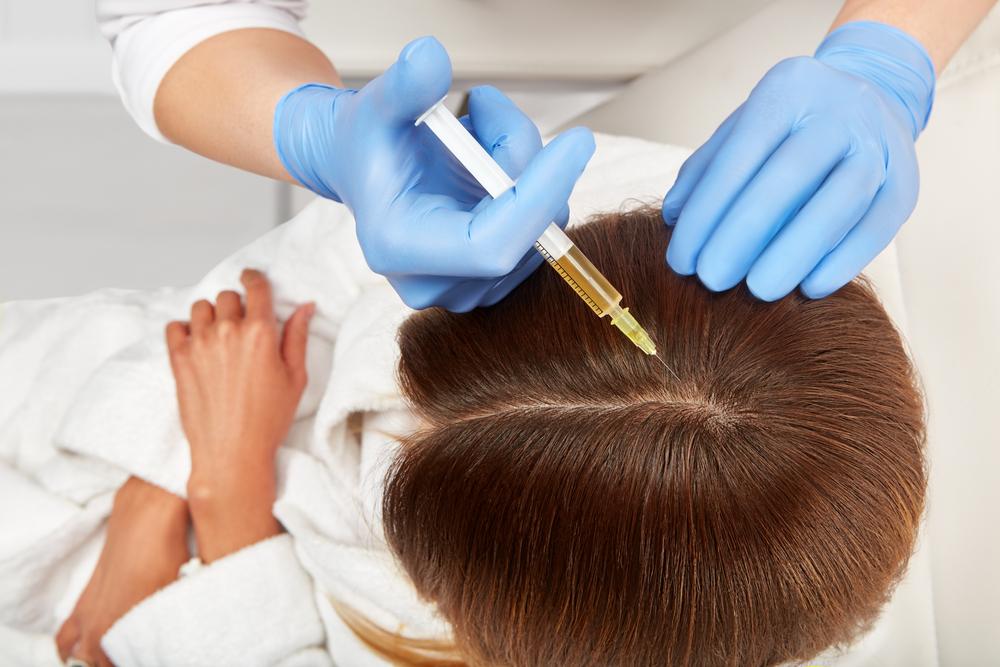
PRP Hair Treatment has emerged as a modern, non-surgical approach to hair restoration for individuals experiencing thinning or early hair loss. By using platelet-rich plasma derived from the patient’s own blood, the therapy delivers growth factors directly to the scalp, stimulating hair follicles and supporting natural regrowth. This innovative treatment provides a safe and minimally invasive alternative to traditional surgical methods.
How PRP Works for Hair Restoration:
PRP Hair Treatment involves drawing a small sample of the patient’s blood, processing it to concentrate platelets, and injecting the plasma into thinning areas of the scalp. The growth factors in PRP:
-
Stimulate dormant hair follicles to re-enter the growth phase
-
Strengthen existing strands to reduce breakage and shedding
-
Promote healthy scalp conditions and improve blood flow
-
Support the natural hair growth cycle for thicker, denser hair
This targeted, regenerative approach leverages the body’s own healing properties to restore hair naturally.
Advantages Over Traditional Methods:
PRP offers several benefits compared to surgical or chemical hair loss treatments:
-
Non-surgical and minimally invasive: No incisions or grafts are required
-
Natural: Uses the patient’s own blood, minimizing risk of allergic reactions
-
Minimal downtime: Most patients resume daily activities immediately
-
Gradual, sustainable results: Stimulates natural follicle growth rather than producing artificial density
-
Complementary: Can be combined with other hair loss treatments like topical agents or low-level laser therapy
Ideal Candidates for Modern Hair Restoration:
PRP is most effective for individuals with:
-
Early to moderate hair thinning rather than complete bald patches
-
Active, healthy follicles capable of responding to growth factors
-
Desire for a non-surgical, natural hair restoration approach
-
Commitment to multiple sessions and proper follow-up care
A consultation with a certified hair specialist ensures personalized treatment planning and realistic expectations.
Treatment Process and Timeline:
The PRP procedure is straightforward and performed in-office:
-
Blood is drawn and processed in a centrifuge to isolate platelet-rich plasma
-
PRP is injected into targeted areas of the scalp
-
Sessions typically last 30–60 minutes
-
Most patients undergo 3–4 initial sessions spaced 4–6 weeks apart, followed by maintenance treatments every 4–6 months
Results develop gradually, with initial reduction in shedding within 1–2 months and thicker, denser hair emerging after 3–6 months.
Supporting PRP for Optimal Results:
Patients can enhance the effectiveness of PRP Hair Treatment by:
-
Maintaining a balanced diet rich in hair-supporting nutrients
-
Staying hydrated to improve scalp circulation
-
Avoiding harsh chemical treatments or excessive heat styling
-
Managing stress and supporting overall wellness
-
Using adjunct therapies like topical growth agents or low-level laser therapy if recommended
Final Thoughts:
PRP Hair Treatment represents a modern, natural approach to hair restoration, combining science and regenerative therapy to stimulate dormant follicles and strengthen existing hair. With minimal risk, gradual and sustainable results, and the ability to complement other treatments, PRP offers an effective alternative for those seeking non-surgical solutions to hair thinning and early hair loss. Consistent sessions, proper aftercare, and supportive lifestyle habits ensure optimal outcomes and healthier, fuller hair over time.

 English
 Arabic
 Spanish
 Portuguese
 Deutsch
 Turkish
 Dutch
Dutch
 Italiano
 Russian
 Romaian
 Portuguese (Brazil)
 Greek
Greek