


Industries that store or process liquids, powders, chemicals, food ingredients, and other bulk materials need accurate methods to monitor the contents of their tanks.
A Tank Weighing System in UAE provides a reliable way to measure the weight of material inside a tank by using load cells and weighing components installed beneath the tank structure. This technology can help businesses improve inventory control, production accuracy, and process efficiency. Al Falah Scales provides weighing solutions for commercial and industrial applications across the UAE.
What Is a Tank Weighing System?
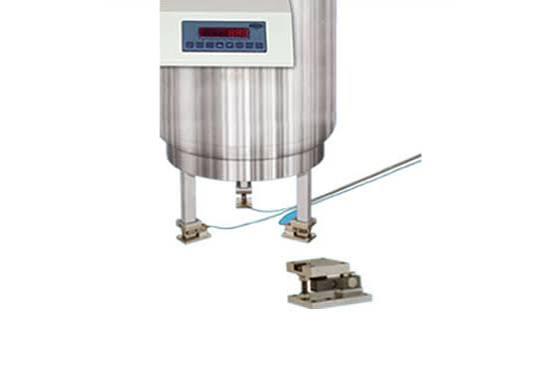
A tank weighing system is an industrial weighing solution designed to measure the contents of a tank, vessel, hopper, or similar container. Instead of relying only on volume measurements, the system determines the actual weight of the material contained inside.
The system commonly uses load cells, mounting assemblies, junction boxes, and a digital weighing indicator. The load cells detect the load applied by the tank and its contents, while the weighing indicator processes the signal and displays the measurement.
This setup can be useful for businesses that need continuous monitoring of materials during storage, production, or processing.
How Does a Tank Weighing System Work?
A typical tank weighing system uses load cells positioned beneath the tank or vessel. When material is added to or removed from the tank, the load applied to the load cells changes.
The load cells convert this change into an electrical signal. The signal is then processed by the weighing indicator or controller to provide a weight reading.
Modern systems can also be connected to automation and monitoring systems, allowing operators to observe measurements and manage industrial processes more efficiently.
Why Is Tank Weighing Important?
Accurate tank weighing can be important for industries that handle bulk materials. Knowing the actual quantity inside a tank can help businesses control inventory, manage production, and reduce material waste.
Traditional methods based only on tank level or volume may be affected by material characteristics, tank shape, or other operating conditions. Weight-based measurement provides another method for monitoring the amount of material stored in the tank.
For manufacturing and batching operations, accurate weight information can also help operators add the correct quantity of ingredients or materials.
Applications of Tank Weighing Systems
Tank weighing systems can be used across many industries where materials are stored or processed in tanks and vessels.
Chemical Industry
Chemical manufacturers often handle liquids, powders, and other materials that require controlled measurement. A tank weighing system can help monitor the quantity of material available and support accurate batching.
Reliable measurement is particularly useful when precise quantities are required during production.
Food and Beverage Industry
Food processing companies may use tanks for storing ingredients, liquids, oils, syrups, and other materials. Accurate weighing can help maintain consistency during production.
A suitable weighing system can also support inventory management and reduce the possibility of using incorrect quantities.
Pharmaceutical Industry
Pharmaceutical manufacturing requires precise control over ingredients and production processes. Tank weighing systems can support accurate material measurement during batching and processing.
The equipment selected should match the hygiene, accuracy, and environmental requirements of the facility.
Water Treatment
Water treatment facilities may use tanks for storing chemicals and treatment materials. Accurate monitoring of tank contents can help operators manage chemical usage and maintain controlled dosing processes.
Manufacturing and Industrial Plants
Manufacturing facilities can use tank weighing systems for raw materials, liquids, powders, and production mixtures. Real-time weight information can help operators monitor production and manage material consumption.
Main Components of a Tank Weighing System
A tank weighing system can contain several components that work together to provide accurate measurements.
Important components may include:
-
Load cells: Detect the weight or force applied by the tank.
-
Mounting assemblies: Support the tank and help transfer the load correctly to the load cells.
-
Junction box: Combines signals from multiple load cells where required.
-
Digital indicator: Displays the measured weight.
-
Controller: Can process weighing information and support automation.
-
Cables and accessories: Connect the weighing components and provide signal transmission.
The exact configuration depends on the tank size, capacity, design, and application.
Benefits of Tank Weighing Systems
Installing an appropriate tank weighing system can provide several advantages for industrial operations.
Some important benefits include:
-
Accurate monitoring of tank contents
-
Better control over raw materials
-
Improved production and batching
-
Reduced material waste
-
Easier inventory management
-
Real-time weight information
-
Support for industrial automation
-
Improved process efficiency
The actual performance of a system depends on proper equipment selection, installation, calibration, and maintenance.
Choosing the Right Tank Weighing System
Selecting the correct system requires careful consideration of the tank and its operating environment.
Tank Capacity
The weighing system should be suitable for the maximum load of the tank, including both the tank structure and its contents.
Number of Load Cells
The number and arrangement of load cells depend on the tank design, support structure, and required weighing performance.
Material and Environment
Temperature, moisture, dust, chemicals, and other environmental conditions can influence equipment selection. Industrial environments may require appropriately protected components.
Accuracy Requirements
Businesses should determine the level of accuracy required for their application. Batching and production processes may require greater precision than basic inventory monitoring.
Installation Conditions
Proper mechanical installation is essential for reliable tank weighing. The tank support structure and load-cell mounting arrangement should be designed correctly to achieve dependable measurements.
Tank Weighing and Industrial Automation
Modern weighing systems can be integrated with industrial automation platforms. Weight information can be transferred to control systems, allowing operators to monitor tank contents and manage production processes.
Automation can reduce manual weighing tasks and help operators respond quickly when material levels change.
For facilities with multiple tanks, centralized monitoring can make it easier to track materials and manage production activities.
Maintenance and Calibration
Regular maintenance is important for keeping a tank weighing system reliable. Load cells, cables, junction boxes, indicators, and mechanical supports should be inspected according to the operating conditions.
Calibration is also important because accurate weight measurement depends on the complete weighing system working correctly.
Businesses should follow the equipment manufacturer's recommendations and arrange appropriate inspection and calibration based on the application and usage conditions.
Why Choose Al Falah Scales?
Al Falah Scales provides weighing equipment and industrial weighing solutions for businesses in the UAE. Its product range includes weighing-related equipment such as load cells, indicators, platform scales, crane scales, and other weighing products.
For tank weighing applications, selecting the right combination of load cells, weighing indicators, mounting equipment, and installation requirements is important. A suitable solution should be selected according to the tank capacity, structure, material, and operating environment.
Al Falah Scales is based in Sharjah and provides weighing equipment and related services for businesses in the UAE.
Tank Weighing System for UAE Industries
The UAE has a diverse industrial sector that includes manufacturing, food processing, chemical operations, logistics, and other industries where bulk materials need to be stored and measured.
A properly designed tank weighing system can provide businesses with useful weight information throughout storage and production processes. By combining suitable load cells, indicators, mechanical components, and automation, companies can create an efficient weighing solution for their specific requirements.
Before selecting a system, businesses should evaluate tank capacity, weighing accuracy, environmental conditions, installation requirements, and future automation needs.
Conclusion
A tank weighing system can help UAE businesses monitor bulk materials accurately and improve inventory, production, and batching processes. With the right load cells, indicators, installation, and calibration, businesses can achieve reliable weight measurement for different industrial applications. Al Falah Scales provides weighing solutions for businesses looking for dependable industrial weighing equipment in the UAE.
Frequently Asked Questions
1. What is a tank weighing system used for?
A tank weighing system is used to measure the weight of materials stored inside tanks, vessels, hoppers, and similar containers. It can be used for liquids, powders, chemicals, food ingredients, and other bulk materials.
2. What are the main components of a tank weighing system?
The main components can include load cells, mounting assemblies, junction boxes, digital indicators, controllers, and connecting cables. The exact components depend on the tank design and application.
3. Why is calibration important for tank weighing systems?
Calibration helps ensure that the weighing system provides accurate measurements. Regular inspection and calibration can help identify measurement errors and maintain reliable performance during industrial operations.

 English
 Arabic
 French
 Spanish
 Portuguese
 Deutsch
 Turkish
 Dutch
 Italiano
 Romaian
 Portuguese (Brazil)
 Greek