


Introduction
Circular knitting machines have transformed the textile industry by enabling manufacturers to produce seamless fabrics and tubular knitted products with exceptional speed and efficiency. From socks and sportswear to medical textiles and fashion garments, these machines have become indispensable in modern textile production facilities worldwide.
Unlike flat knitting machines that create fabric in rows on a flat bed, circular knitting machines produce fabric in a continuous tube by arranging needles in a circular cylinder. This design significantly increases productivity, reduces fabric waste, and allows manufacturers to create highly elastic and comfortable knitted materials suitable for a wide variety of applications.
As the demand for performance textiles, seamless garments, and technical fabrics continues to grow, understanding the different types of circular knitting machines and their setup procedures has become increasingly important for manufacturers, technicians, and textile professionals. Selecting the right machine configuration and preparing it correctly directly affects production efficiency, fabric quality, and machine lifespan.
This article explores the major types of circular knitting machines, preparation requirements before production, yarn and needle selection, and the complete process of setting up a circular knitting machine for successful operation.
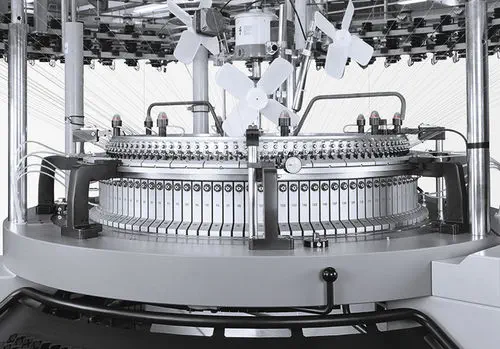
What Is a Circular Knitting Machine?
A circular knitting machine is a textile manufacturing machine that uses multiple needles arranged in a circular configuration to produce knitted fabrics continuously. The needles move up and down while the cylinder rotates, interlocking yarn loops to create tubular fabric structures.
These machines can operate at very high speeds, often producing several kilograms of fabric per hour depending on machine diameter, gauge, yarn type, and fabric construction.
Circular knitting machines are widely used for manufacturing:
- T-shirts
- Underwear
- Sportswear
- Leggings
- Socks
- Hats
- Sweaters
- Medical textiles
- Automotive textiles
- Technical fabrics
- Home furnishing materials
Their ability to produce seamless or near-seamless fabrics makes them especially valuable for garments requiring comfort, flexibility, and improved fit.
Major Types of Circular Knitting Machines
Different production requirements require different machine structures and knitting technologies. Understanding the characteristics of each machine type helps manufacturers select the most suitable equipment for their applications.
1. Single-Cylinder Circular Knitting Machines
Single-cylinder machines are among the most common circular knitting machines in the textile industry. These machines feature one needle cylinder containing vertically arranged needles that create knitted loops as the cylinder rotates.
Because of their simple construction and versatility, single-cylinder machines are widely used for producing lightweight and medium-weight knitted fabrics.
Typical products include:
- Socks
- Gloves
- Sleeves
- Hats
- T-shirts
- Casual wear
- Seamless garments
Advantages of single-cylinder machines include:
- Simple operation
- Lower maintenance requirements
- High production speeds
- Wide yarn compatibility
- Cost-effective manufacturing
These machines can accommodate various yarn types, including cotton, polyester, nylon, viscose, wool, and blended fibers, making them ideal for manufacturers producing diverse product lines.
2. Double-Cylinder Circular Knitting Machines
Double-cylinder machines contain two needle cylinders positioned concentrically, with one cylinder inside the other. This configuration enables the production of more complex fabric structures and double-sided knitted materials.
These machines are particularly suitable for manufacturing fabrics requiring additional thickness, elasticity, or intricate designs.
Common applications include:
- Rib fabrics
- Interlock fabrics
- Jacquard textiles
- Double-knit materials
- Winter garments
- Decorative textiles
Double-cylinder machines provide several advantages:
- Ability to create reversible fabrics
- Improved fabric stability
- Enhanced design flexibility
- Production of thicker materials
- Better dimensional stability
Because of their advanced capabilities, these machines are commonly found in factories specializing in premium fashion garments and technical knitted fabrics.
3. Circular Flat Knitting Machines
Circular flat knitting machines combine the characteristics of traditional circular knitting with flat knitting technology. Instead of producing complete tubular fabrics, they can create flat panels that are later sewn or linked together.
This hybrid design offers greater flexibility for garment production and customized knitting applications.
Typical products include:
- Sweater panels
- Fashion garments
- Outerwear
- Customized knitwear
- Industrial textiles
The primary advantages include:
- Flexible pattern creation
- Reduced material waste
- Greater garment shaping possibilities
- Efficient small-batch production
These machines are particularly useful for manufacturers serving fashion markets where design changes occur frequently.
4. Circular Sinker Knitting Machines
Circular sinker machines utilize sinker plates in combination with knitting needles. Sinkers help control loop formation and fabric tension, allowing the machine to create highly elastic and stretchable fabrics.
This technology is essential for products that require superior recovery and comfort.
Applications include:
- Sportswear
- Compression garments
- Swimwear
- Activewear
- Underwear
- Medical textiles
Key benefits include:
- Improved fabric elasticity
- Better loop control
- Enhanced stitch uniformity
- Superior surface appearance
- Reduced yarn tension variation
As demand for performance apparel continues to rise, sinker machines have become increasingly important in modern knitting factories.
Choosing the Right Circular Knitting Machine
Selecting a circular knitting machine depends on several factors, including production volume, fabric requirements, yarn specifications, and investment budget.
Manufacturers should evaluate:
- Product type
- Required production speed
- Fabric complexity
- Machine gauge
- Available floor space
- Energy consumption
- Automation capabilities
For example, manufacturers producing basic jersey fabrics may benefit from high-speed single jersey machines, while factories focusing on premium sportswear may require advanced double jersey or sinker machines.
Careful equipment selection can significantly improve productivity and profitability.
Preparations Before Machine Setup
Proper preparation is essential for ensuring smooth machine operation and minimizing production downtime.
Before setting up a circular knitting machine, operators should prepare all necessary components and verify that the machine is in good working condition.
Essential Equipment and Materials
Circular Knitting Machine
The first requirement is selecting the appropriate machine model according to production needs.
Important specifications include:
- Machine diameter
- Gauge
- Number of feeders
- Maximum speed
- Fabric capability
- Automation options
Yarn
Yarn selection directly influences fabric appearance, durability, elasticity, and performance.
Common yarn types include:
- Cotton
- Polyester
- Nylon
- Wool
- Acrylic
- Spandex blends
- Bamboo fibers
Operators should ensure sufficient yarn inventory is available before beginning production to avoid interruptions.
Needles
Needles are among the most critical components in any knitting machine.
Common needle types include:
- Latch needles
- Spring beard needles
- Compound needles
The correct needle type and size must match both machine specifications and yarn characteristics.
Damaged or worn needles should be replaced immediately to prevent defects such as dropped stitches, holes, and uneven fabric structures.
Yarn Guides and Tension Devices
Modern circular knitting machines often incorporate advanced yarn feeding systems designed to maintain uniform yarn tension.
These systems may include:
- Positive feeders
- Storage feeders
- Electronic tension control systems
- Yarn break sensors
Stable yarn feeding ensures consistent fabric quality and reduces machine stoppages.
Auxiliary Tools
Additional tools commonly used during setup include:
- Stitch markers
- Row counters
- Cleaning brushes
- Needle hooks
- Oil dispensers
- Measuring devices
- Fabric inspection lights
Keeping these tools readily available improves production efficiency.
Selecting Yarn and Needle Sizes
Correct yarn and needle selection is fundamental for achieving the desired fabric quality and production performance.
Yarn Weight Selection
Different yarn weights create different fabric characteristics.
For example:
- Fine yarns produce lightweight fabrics.
- Medium yarns create balanced structures.
- Heavy yarns generate thick and durable textiles.
Manufacturers should select yarn weights according to product requirements and machine capabilities.
Needle Size Selection
Needle size determines stitch formation and fabric density.
Using needles that are too small may cause excessive yarn tension and yarn breakage, while oversized needles may produce loose stitches and poor fabric appearance.
Machine manufacturers typically provide recommended needle ranges for each gauge and yarn specification.
Following these guidelines helps maintain stable production conditions.
Understanding Machine Gauge
Gauge refers to the number of needles per inch on the cylinder.
Examples include:
- 18G for heavier fabrics
- 24G for medium fabrics
- 28G for fine jersey fabrics
- 32G and above for lightweight textiles
Higher gauges produce finer and smoother fabrics, while lower gauges create thicker constructions.
Importance of Fabric Gauge Testing
Before mass production begins, technicians should knit sample swatches to confirm:
- Fabric weight
- Width
- Shrinkage
- Appearance
- Elasticity
Testing helps avoid costly production errors and ensures product consistency.
Setting Up the Circular Knitting Machine
After all materials have been prepared, the machine setup process can begin.
A systematic approach reduces setup time and minimizes the risk of mechanical issues.
Step 1: Machine Assembly
The first stage involves assembling and inspecting the machine components.
Organize Components
Upon receiving a new machine or after maintenance, operators should unpack and organize all components according to the manufacturer's instructions.
Typical components include:
- Needle cylinder
- Cam box
- Yarn feeders
- Frame structure
- Control panel
- Lubrication system
- Drive motor
Checking component completeness prevents delays during installation.
Install Major Components
The machine frame should be assembled first, followed by installation of:
- Cylinder
- Sinker ring
- Needle bed
- Feeding systems
- Safety covers
Proper alignment is essential for stable machine performance.
Verify Stability
After assembly, operators should verify:
- Bolt tightness
- Machine levelness
- Electrical connections
- Grounding systems
- Safety protection devices
Even minor misalignments can negatively affect fabric quality and machine reliability.
Step 2: Installing the Needle Bed and Needles
The needle bed is the heart of the circular knitting machine.
Install the Needle Cylinder
The cylinder should be carefully mounted and secured according to manufacturer specifications.
Operators must ensure:
- Smooth rotation
- Correct positioning
- Adequate lubrication
- Proper clearances
Insert Needles
Needles should be inserted carefully into their slots while maintaining consistent orientation.
Important considerations include:
- Needle type compatibility
- Uniform insertion depth
- Smooth movement
- Absence of damage
Any defective needles should be replaced immediately.
Check Needle Movement
Each needle should move freely without sticking or excessive friction.
Restricted needle movement may indicate:
- Dirt accumulation
- Bent needles
- Cam wear
- Improper installation
Addressing these issues early prevents production defects.
Step 3: Yarn Feeding Preparation
Proper yarn feeding is essential for achieving stable knitting performance.
Attach Yarn Packages
Yarn packages should be positioned securely on creels or yarn stands.
Operators should avoid:
- Excessive yarn tension
- Yarn twisting
- Crossed yarn paths
Install Yarn Through Feeders
The yarn is then routed through:
- Tension disks
- Guides
- Positive feeders
- Stop motions
Each component contributes to maintaining consistent yarn delivery.
Thread Initial Needles
The first needles are manually threaded to establish the starting loops.
Operators should ensure:
- Correct yarn positioning
- Proper latch opening
- Uniform loop formation
This stage determines the success of the initial knitting cycles.
Complete Needle Threading
The yarn is gradually introduced across all active feeders and needles.
During this process, technicians should monitor for:
- Yarn entanglement
- Uneven tension
- Incorrect threading paths
Even small threading mistakes can cause significant production disruptions.
Step 4: Adjusting Yarn Tension
Yarn tension plays a major role in fabric quality.
Excessive tension may result in:
- Yarn breakage
- Needle damage
- Tight fabrics
Insufficient tension may lead to:
- Loose stitches
- Fabric distortion
- Poor dimensional stability
Modern machines often include electronic tension monitoring systems to maintain consistency.
Step 5: Trial Knitting
Before full production begins, a sample fabric should be knitted for inspection.
Technicians should evaluate:
- Stitch appearance
- Fabric density
- Surface smoothness
- Width consistency
- Elasticity
Necessary adjustments can then be made before launching large-scale production.
Common Setup Problems and Solutions
Even experienced operators occasionally encounter setup difficulties.
Yarn Breakage
Possible causes include:
- Excessive tension
- Damaged guides
- Poor yarn quality
Solutions involve adjusting tension and replacing worn components.
Dropped Stitches
Common causes include:
- Bent needles
- Incorrect timing
- Yarn feeding problems
Regular inspection helps prevent these issues.
Uneven Fabric Surface
Potential reasons include:
- Inconsistent yarn tension
- Needle wear
- Improper machine settings
Systematic troubleshooting can quickly restore production quality.
Maintenance After Setup
Routine maintenance extends machine life and ensures consistent performance.
Recommended maintenance activities include:
- Daily cleaning
- Needle inspection
- Lubrication checks
- Cam examination
- Tension calibration
- Electrical inspections
Preventive maintenance programs significantly reduce unexpected downtime.
Future Trends in Circular Knitting Technology
The textile industry is rapidly adopting smart manufacturing technologies.
Modern circular knitting machines increasingly feature:
- Automatic yarn monitoring
- AI defect detection
- Electronic pattern control
- Remote diagnostics
- Energy-saving drives
- IoT connectivity
These innovations improve efficiency while reducing labor requirements and operating costs.
As Industry 4.0 technologies continue to evolve, highly automated circular knitting systems are expected to dominate future textile manufacturing facilities.
Conclusion
Circular knitting machines remain one of the most important technologies in the global textile industry. Their ability to produce high-quality fabrics quickly and efficiently has made them essential for manufacturers serving fashion, sportswear, medical, and technical textile markets.
Understanding the differences between single-cylinder, double-cylinder, circular flat, and sinker machines enables manufacturers to select the most suitable equipment for their production needs.
Equally important is proper preparation before operation, including selecting appropriate yarns, needles, and machine settings. Careful assembly, accurate threading, proper tension control, and routine maintenance all contribute to stable production and superior fabric quality.
As automation and digital technologies continue to reshape textile manufacturing, circular knitting machines will become even more intelligent, productive, and versatile, helping manufacturers meet the growing global demand for innovative knitted products.

 Arabic
 French
 Spanish
 Portuguese
 Deutsch
 Turkish
 Dutch
Dutch
 Italiano
 Russian
 Romaian
 Portuguese (Brazil)
 Greek
Greek