


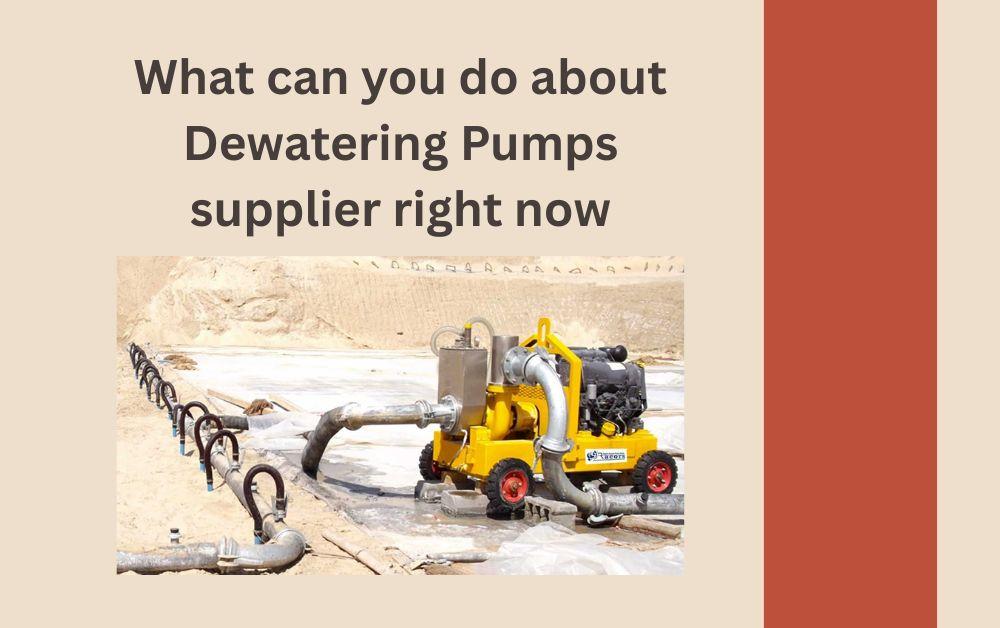
Water removal is an important part of many industries. Construction sites, mining areas, factories, wastewater plants, and flood-prone locations all need reliable pumping systems to remove unwanted water. This is where dewatering pumps play a major role. However, having a quality pump is only one part of the solution. Working with the right dewatering pumps supplier is equally important.
A trusted supplier helps businesses get the correct pump, technical support, maintenance guidance, and reliable products that perform well under demanding conditions. If you are currently looking for a dewatering pumps supplier or want to improve your pumping operations, there are several steps you can take right now.
Understand Your Dewatering Requirements Before Choosing a Supplier
Note : Projects across multiple sectors were supported by a trusted Dewatering Pumps supplier in uganda that had delivered reliable pumping solutions for water management needs. Efficient equipment had ensured smooth operations and reduced downtime. For dependable dewatering solutions and professional assistance, contact Blackwood Hodge Power Services Ltd today for expert support.
Before contacting any supplier, it is important to understand exactly what your project needs.
Different applications require different types of pumps. A construction site may need portable pumps, while a mining operation may require heavy-duty pumps that can handle large volumes of water continuously.
Evaluate the Water Conditions
The type of water being pumped affects the choice of equipment.
Consider factors such as:
- Clean water or dirty water
- Presence of sand and debris
- Water depth
- Flow rate requirements
- Pumping distance
A clear understanding of these details helps suppliers recommend the right solution.
Estimate Future Needs
Many businesses only focus on current requirements. However, future growth should also be considered.
Choosing a supplier who can support larger projects later can save time and money in the long run.
Look for Suppliers with Industry Experience

Experience matters when selecting a dewatering pumps supplier.
A supplier that has worked with different industries understands the challenges businesses face and can provide better recommendations.
Benefits of an Experienced Supplier
An experienced supplier can help with:
- Product selection
- Installation guidance
- Troubleshooting support
- Maintenance advice
- System optimization
Their knowledge can prevent costly mistakes and improve overall efficiency.
Industry-Specific Knowledge
Different industries have unique pumping requirements.
For example:
Construction Projects
Construction sites often deal with groundwater removal and temporary water management.
Mining Operations
Mining environments require durable pumps that can handle harsh conditions and abrasive materials.
Industrial Facilities
Factories often need continuous pumping solutions to support daily operations.
A supplier familiar with your industry can provide more suitable recommendations.
Focus on Product Quality Instead of Only Price
Many businesses make the mistake of choosing the lowest-priced option.
While saving money is important, poor-quality pumps can lead to frequent breakdowns, higher repair costs, and project delays.
Why Quality Pumps Matter
Reliable pumps provide:
- Better performance
- Longer service life
- Reduced maintenance
- Improved efficiency
- Lower operating costs
Investing in quality products often saves money over time.
Compare Product Specifications
Always review technical specifications before purchasing.
Important factors include:
- Pump capacity
- Motor power
- Energy efficiency
- Material quality
- Durability
A trustworthy supplier will explain these details clearly.
Check the Supplier's Product Range
A supplier with a wide range of products offers greater flexibility.
Every project is different, and having multiple options helps ensure the right pump is selected.
Common Types of Dewatering Pumps
Suppliers may offer several pump categories.
Submersible Pumps
These pumps operate underwater and are commonly used for construction and drainage applications.
Centrifugal Pumps
These pumps are suitable for moving large amounts of water efficiently.
Diesel-Powered Pumps
Diesel pumps are ideal for locations without reliable electrical power.
Electric Pumps
Electric pumps are energy-efficient and commonly used in industrial environments.
A supplier with multiple options can help you choose the most suitable system.
Ask About Technical Support and After-Sales Service
The relationship with a supplier should not end after the purchase.
Good suppliers provide ongoing support that helps businesses keep equipment operating smoothly.
Importance of Technical Assistance
Problems can occur unexpectedly.
Having access to knowledgeable support can reduce downtime and prevent project delays.
Maintenance Support
Regular maintenance is essential for extending pump life.
A reliable supplier may offer:
- Inspection services
- Maintenance schedules
- Spare parts support
- Repair services
These services can improve equipment performance and reliability.
Verify Availability of Spare Parts
Even the best pumps require replacement parts from time to time.
Choosing a supplier with readily available spare parts is a smart decision.
Why Spare Parts Matter
When parts are unavailable, operations may stop completely.
This can lead to:
- Lost productivity
- Missed deadlines
- Increased costs
- Customer dissatisfaction
Questions to Ask Suppliers
Before making a purchase, ask:
- Are spare parts stocked locally?
- How quickly can parts be delivered?
- Are repair services available?
- What warranty support is provided?
These questions help you evaluate long-term reliability.
Consider Energy Efficiency
Energy costs continue to rise, making efficiency more important than ever.
Modern dewatering pumps are designed to use less power while maintaining strong performance.
Benefits of Energy-Efficient Pumps
Energy-efficient systems can provide:
- Lower electricity costs
- Reduced operating expenses
- Improved environmental performance
- Better long-term savings
Ask Suppliers About Efficiency Ratings
A knowledgeable supplier should be able to explain how different pump models compare in terms of energy consumption.
This information can help businesses make better investment decisions.
Read Customer Reviews and Testimonials
One of the easiest ways to evaluate a supplier is by reviewing customer feedback.
Past customers often provide valuable insights into product quality and service levels.
What Reviews Can Tell You
Reviews may reveal:
- Product reliability
- Customer service quality
- Delivery performance
- Technical support experience
- Warranty handling
Consistent positive feedback is usually a good sign.
Look for Long-Term Customers
Suppliers that maintain long-term business relationships often provide dependable products and support.
Repeat customers usually indicate trust and satisfaction.
Evaluate Delivery and Availability
Fast delivery can be critical when dealing with urgent projects.
A supplier with strong inventory management can provide equipment when it is needed most.
Importance of Quick Delivery
Project delays often happen when equipment arrives late.
Reliable suppliers help businesses stay on schedule by maintaining adequate stock levels.
Emergency Requirements
Unexpected flooding or water management issues may require immediate solutions.
Working with a supplier that offers quick response times can be extremely valuable.
Build a Long-Term Partnership
Rather than changing suppliers frequently, many successful businesses build long-term relationships with trusted partners.
Advantages of Long-Term Cooperation
A long-term supplier relationship offers:
- Better pricing opportunities
- Faster support
- Improved communication
- Greater understanding of project needs
- Consistent product quality
Strong partnerships often create long-term operational benefits.
Regular Communication Matters
Keep suppliers informed about upcoming projects and future requirements.
This allows them to prepare inventory and provide better recommendations.
Stay Updated with New Pump Technology
The pumping industry continues to evolve with new technologies and innovations.
Modern pumps offer better efficiency, smarter controls, and improved durability.
Features Found in Modern Dewatering Pumps
New systems may include:
- Automatic operation
- Remote monitoring
- Energy-saving motors
- Improved wear resistance
- Advanced safety features
Ask Suppliers About New Solutions
A proactive supplier will keep customers informed about new products and industry improvements.
This can help businesses remain competitive and improve performance.
Compare Multiple Suppliers Before Making a Decision
Choosing the first supplier you find may not always be the best approach.
Taking time to compare several suppliers can lead to better results.
Key Comparison Factors
Review suppliers based on:
- Product quality
- Industry experience
- Technical support
- Pricing
- Delivery capability
- Warranty coverage
- Spare parts availability
Request Detailed Quotations
A detailed quotation provides a clearer picture of total costs and included services.
This makes it easier to compare suppliers fairly.
Final Thoughts
If you are asking what you can do about a dewatering pumps supplier right now, the answer is simple: start by evaluating your needs and finding a supplier that offers quality products, strong technical support, reliable spare parts, and long-term value.
The right supplier is more than just a product provider. They become a trusted partner who helps improve efficiency, reduce downtime, and support the success of your projects. By focusing on quality, experience, service, and reliability, businesses can make smarter decisions and get the most from their dewatering systems.

 English
 Arabic
 French
 Spanish
 Deutsch
 Turkish
 Dutch
 Italiano
 Russian
 Romaian
 Portuguese (Brazil)
 Greek