


Okay real talk — I made the mistake of wearing my regular fashion sunglasses on a hike once. By the end of the day, my eyes were tired, the frames had slipped off my nose about fifty times, and I'm pretty sure one of the lenses got scratched from sweat and dust.
That day I learned something important. Not all sunglasses are the same. If you're doing any kind of outdoor activity — running, hiking, cycling, beach volleyball, whatever — you actually need sunglasses that are built for that.
Here's what you need to know.
What Makes Sports Sunglasses Different?
Regular fashion sunglasses look great but they're not designed for movement. Sports sunglasses are different because they:
- Stay on your face even when you're running or sweating
- Wrap around to protect your eyes from all sides — not just the front
- Have stronger lenses that don't scratch easily and block UV rays properly
- Are lightweight so they don't feel heavy after hours of wear
- Often have polarized lenses which reduce glare from water, roads, and snow
For outdoor activities, these things matter way more than just looking stylish.

What to Look for When Buying Sports Sunglasses
1. Polarized Lenses
This is the most important feature. Polarized lenses cut out glare — that harsh reflected light you get from water, wet roads, or bright snow. If you run, hike, cycle, fish, or spend time near water, polarized lenses will make a huge difference in how clearly you can see.
2. UV400 Protection
Always look for UV400 on the label. This means the lenses block 100% of UVA and UVB rays. Any sunglasses without this is just a fashion accessory — it won't actually protect your eyes from sun damage.
3. Wrap-Around Design
Sporty sunglasses wrap slightly around your face. This blocks wind, dust, and UV rays from the sides — not just from directly in front. Super important if you're cycling fast or running in dusty areas.
4. Lightweight and Secure Fit
You don't want sunglasses bouncing around on your face mid-run. Look for rubber nose pads and flexible frames that grip well — especially when you start sweating. The best sports sunglasses feel like you're barely wearing them.
5. Impact-Resistant Lenses
Polycarbonate lenses are scratch-resistant and shatterproof. If you're hiking on rough terrain or doing any contact sport, you really don't want a lens that can crack easily.
Best Sunglasses by Activity
Running / Jogging You need lightweight, wrap-around frames that don't move. Polarized lenses help on bright roads. Rubber grips on the nose and temples are a must. Look for something under 30 grams.
Hiking / Trekking Good coverage and polarized lenses are key. You'll be looking at different terrain — grass, rock, water — and contrast-enhancing lenses (amber or brown tints) help you see the ground better.
Cycling Wrap-around styles with a slight shield shape work best. They protect from wind, bugs, and debris. A slight tint that adjusts to light (photochromic lenses) is great if you cycle at different times of day.
Water Sports / Beach 100% polarized is non-negotiable near water. The glare off the ocean or a pool is intense. Also look for frames that float or have a strap so they don't sink if they fall off.
Cricket / Football / Outdoor Sports You need impact-resistant lenses (polycarbonate) and a snug fit. The frames should be flexible so they bend without breaking if they get hit.
Lens Tint Guide for Outdoors
Different tints work better in different conditions:
- Brown / Amber — Great contrast on trails and uneven ground. Perfect for hiking and running.
- Grey — Best for bright sunny conditions. Doesn't change colours — great for driving and cycling.
- Green — Good all-round outdoor tint. Easy on the eyes in varied light.
- Yellow / Orange — Best in low light or overcast conditions. Great for early morning runs.
- Mirrored — Reflects extra light. Best for very bright environments like snow or open water.

A Quick Tip Nobody Tells You
Don't just buy the "sporty-looking" ones from a fashion store. A lot of sunglasses look athletic but don't have polarized lenses or proper UV protection. Always check the product details before buying.
If the label just says "UV protection" without saying UV400, move on. Real eye protection is UV400 — anything less isn't doing the full job.
Final Thoughts
Outdoor activities are so much better when your eyes are properly protected. The right pair of sports sunglasses reduces eye strain, improves how clearly you see your surroundings, and just makes the whole experience more comfortable.
You don't need to spend a fortune — but do put a little thought into it. Look for UV400, polarized lenses, a secure fit, and a wrap-around design. Those four things alone will take you a long way.
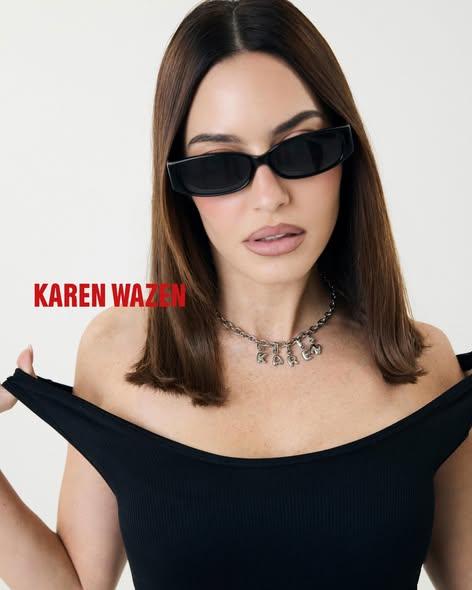
And if you're also looking for something that looks great off the trail — check out Karen Wazen's sunglasses collection. Great everyday styles that actually have quality lenses behind them.
For More Details about karenwazen
Contact: +971 50 702 1037
Facebook: karenwazen
Email: Customercare@karenwazen.com

 English
 Arabic
 French
 Spanish
 Portuguese
 Deutsch
 Turkish
 Dutch
Dutch
 Russian
 Romaian
 Portuguese (Brazil)
 Greek
Greek