


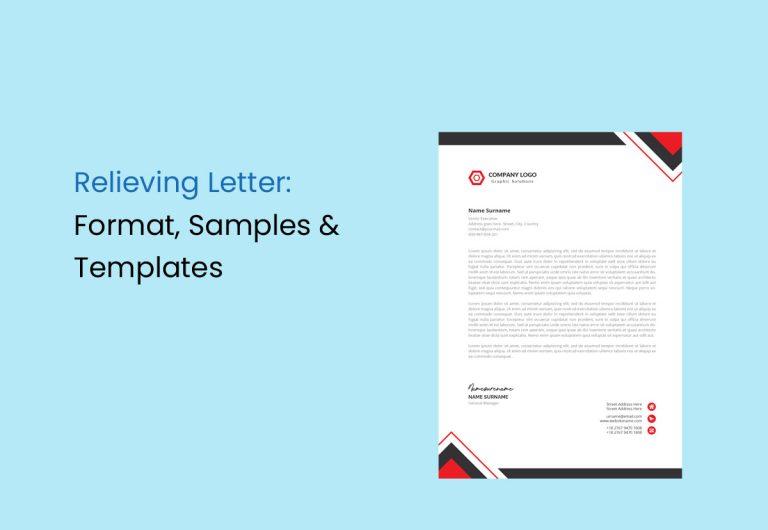
In today’s rapidly evolving workplace, paperwork still carries extraordinary influence. Among the most critical employment documents is the relieving letter — a seemingly simple certificate that often determines how smoothly a professional transitions from one opportunity to another. While resumes showcase ambition and interviews reveal personality, a relieving letter validates professionalism, accountability, and ethical separation from a previous employer.
Across industries, from fast-growing startups to multinational corporations, organizations increasingly rely on structured employee documentation to minimize hiring risks. A properly issued relieving letter acts as formal confirmation that an employee has completed their duties, served the required notice period, and exited the organization without unresolved obligations.
Yet despite its importance, many professionals remain unclear about what a relieving letter actually includes, how it differs from an experience certificate, and why recruiters insist on requesting it during onboarding. In competitive hiring environments, this confusion can create unnecessary delays, credibility concerns, and even lost opportunities.
This complete guide explores the meaning, purpose, relieving letter format, legal significance, HR best practices, and modern workplace trends surrounding relieving letters. By understanding the process comprehensively, both employers and employees can navigate job transitions more confidently and professionally.
What Is a Relieving Letter?
A relieving letter is an official document issued by an employer to confirm that an employee has formally resigned and has been relieved from their responsibilities within the organization. It serves as proof that the employee completed the resignation process according to company policies.
Typically issued on company letterhead, the document includes details such as:
- Employee name
- Designation
- Date of joining
- Last working day
- Confirmation of resignation acceptance
- Clearance of responsibilities
Unlike informal resignation emails, a relieving letter carries institutional authority. It demonstrates that the professional relationship concluded in a structured and mutually acknowledged manner.
In many industries, especially IT, finance, healthcare, consulting, and corporate services, recruiters routinely request relieving documents before finalizing onboarding procedures. Employers view the document as a safeguard against dual employment risks and unresolved contractual disputes.
Why Is a Relieving Letter So Important?
A relieving letter is far more than administrative paperwork. It functions as a professional trust signal in the modern employment ecosystem.
Imagine changing flights during an international journey. Without the correct boarding clearance, even a valid passport may not be enough to proceed smoothly. Similarly, a relieving letter acts as professional clearance between employers.
For employees, the document offers several advantages:
1. Proof of Ethical Exit
Recruiters prefer candidates who follow proper resignation protocols. A relieving letter confirms that the employee exited responsibly rather than abandoning the role abruptly.
2. Faster Background Verification
Background verification agencies frequently request employment release documentation. Missing paperwork can delay joining formalities significantly.
3. Improved Professional Credibility
Professionals with complete employment documentation often appear more organized, dependable, and transparent during hiring evaluations.
4. Legal and Financial Clarity
The letter may help resolve future disputes related to notice periods, pending responsibilities, or employment timelines.
By integrating structured HR processes, organizations also strengthen employer branding. A seamless relieving experience leaves departing employees with a positive impression, which can enhance long-term reputation and alumni relationships.
Relieving Letter vs Experience Letter
One of the most common misconceptions in HR documentation involves confusing a relieving letter with an experience letter. While both documents relate to employment history, their purpose differs considerably.
| Relieving Letter | Experience Letter |
|---|---|
| Confirms employee has been formally relieved | Confirms employee’s work experience |
| Focuses on resignation and exit process | Focuses on skills, role, and performance |
| Includes last working day | Includes duration of employment |
| Often mandatory during onboarding | Primarily used for career validation |
| Administrative in nature | Career-oriented in nature |
Many organizations issue both documents simultaneously, although some companies separate them into different HR processes.
Standard Relieving Letter Format
A professional relieving letter format generally follows a formal corporate structure. Although wording may vary between organizations, most documents include the following sections:
Company Header
- Organization name
- Address
- Contact details
Date of Issuance
Employee Information
- Full name
- Employee ID
- Designation
Main Statement
This section confirms:
- Acceptance of resignation
- Last working day
- Completion of duties
Appreciation Statement
Some employers include a brief message appreciating the employee’s contribution.
HR Signature
- Authorized signatory
- HR department seal
Sample Relieving Letter Format
Subject: Relieving Letter
Dear [Employee Name],
This is to formally acknowledge that your resignation from the position of [Designation] at [Company Name] has been accepted.
You have been relieved from your duties effective [Last Working Day]. We confirm that you have completed the required notice period and handed over responsibilities as per company policy.
We appreciate your contributions during your tenure with the organization and wish you success in your future endeavors.
Sincerely,
HR Department
[Company Name]
Common Mistakes Employees Make
Despite its importance, employees often overlook critical aspects during resignation and document collection.
Ignoring the Notice Period
Leaving without proper notice can delay or even prevent issuance of a relieving letter.
Not Collecting Documents Immediately
Some professionals postpone collecting HR documents after resignation, making follow-ups difficult later.
Failing to Verify Details
Incorrect employment dates, spelling mistakes, or designation errors can create verification issues during future hiring.
Assuming Digital Copies Are Enough
While digital HR systems are becoming common, some employers still request officially signed documents.
Professionals should always maintain secure backups of:
- Relieving letter
- Experience certificate
- Salary slips
- Offer letters
- Tax documents
Can a Company Refuse to Issue a Relieving Letter?
This question generates significant anxiety among employees, particularly during stressful resignations.
In many cases, employers may withhold a relieving letter if:
- The notice period was not served
- Assets were not returned
- Financial dues remain unresolved
- Employment contracts were violated
However, labor laws and employment practices differ by country and jurisdiction. In India, companies are generally expected to provide fair documentation once contractual obligations are fulfilled.
HR experts increasingly recommend collaborative exits rather than confrontational separation processes. Organizations that simplify exits often build stronger employer reputations and improve employee retention indirectly.
Digital Transformation in HR Documentation
The rise of cloud-based HRMS platforms has dramatically modernized how relieving letters are generated and managed.
Today, many businesses use automated payroll and HR systems to:
- Generate relieving letters instantly
- Track employee clearance workflows
- Digitally verify employment history
- Maintain centralized employee records
By integrating AI-driven insights and workflow automation, HR departments reduce manual paperwork while improving compliance accuracy. This transformation is especially visible among fast-scaling companies managing hybrid and remote workforces.
Modern HR software solutions are increasingly offering:
- E-signature integration
- Automated resignation approvals
- Employee self-service portals
- Secure digital document storage
As remote employment expands globally, digital relieving systems are becoming remarkably effective in streamlining transitions.
Expert Perspective: Why Exit Experience Matters
Forward-thinking organizations now recognize that employee exit experiences influence long-term business reputation.
A poorly managed exit can quickly spread across:
- LinkedIn networks
- Employer review platforms
- Industry communities
- Professional referrals
Conversely, a professional and respectful relieving process can turn former employees into future clients, advocates, or even returning hires.
Industry leaders increasingly treat offboarding as a strategic HR function rather than a routine administrative task. Companies investing in structured exit workflows often report:
- Better alumni engagement
- Stronger employer branding
- Improved recruitment trust
- Lower compliance risks
The modern workplace is no longer transactional. Every employee interaction, including departures, contributes to organizational perception.
How Employees Should Request a Relieving Letter
Professionals should maintain a polite, formal, and documented communication process.
Best practices include:
- Submitting written resignation properly
- Completing handovers professionally
- Returning company assets on time
- Following up respectfully with HR
- Retaining email records for documentation
Professionalism during resignation often determines how smoothly the final documentation process unfolds.
Future of Relieving Letters
As AI-powered HR ecosystems continue evolving, relieving documentation is expected to become more intelligent, secure, and integrated.
Emerging trends include:
- Blockchain-based employment verification
- Automated background verification APIs
- Real-time digital credential systems
- Smart employee lifecycle platforms
In the coming years, relieving letters may transform from static PDFs into verifiable digital employment credentials shared instantly across organizations.
Yet despite technological advancement, one principle remains constant: professional exits matter deeply.
A relieving letter is ultimately more than an HR formality. It reflects trust, accountability, and professional integrity in an increasingly interconnected workforce.
Final Thoughts
In an employment landscape shaped by mobility, digital hiring, and rapid organizational change, the relieving letter continues to hold remarkable significance. It protects employers, validates employees, and creates transparency during career transitions.
For professionals, securing a proper relieving letter is not merely administrative housekeeping. It is an investment in future credibility.
For organizations, issuing timely and accurate relieving documents demonstrates operational maturity and respect for employee relationships.
As workplaces become increasingly automated and globally connected, the humble relieving letter remains one of the most important bridges between one career chapter and the next.

 Arabic
 French
 Spanish
 Portuguese
 Deutsch
 Turkish
 Dutch
Dutch
 Italiano
 Russian
 Romaian
 Portuguese (Brazil)
 Greek
Greek