


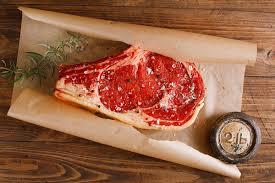
Serving meat that sells more goes beyond cooking and requires understanding what makes meat appealing to customers. Meat draws attention because people eat with eyes first. When a steak or burger looks ready to eat customers notice and respond immediately. Success comes from more than appearance. Moisture temperature and texture play major roles in customer satisfaction. Careful handling like resting meat after cooking or slicing correctly preserves water and makes each bite satisfying. Businesses that follow these steps consistently gain repeat customers because people remember the first bite and share experiences with friends encouraging new customers to try meat.
Why Does Moisture Matter More Than Flavor Alone?
Many cooks focus only on seasoning but moisture strongly influences customer experience. Dry meat even when seasoned well can feel disappointing and fail to deliver enjoyable eating. Moist meat shows freshness and quality which makes customers return and trust shop decisions. Proteins and water in meat need proper handling to retain flavor throughout cooking. Grilled meat sandwiches or barbecue release juices when handled correctly enhancing taste and experience. Professional cooks prioritize keeping water inside meat rather than adding heavy spices because moisture creates natural taste. Customers sense care when meat stays soft which leads to higher satisfaction, better reviews and increased sales over time.
How Can Cooking Methods Keep Meat Moist?
Different cooking methods change how much water stays inside meat. Slow cooking sous vide and high-heat searing preserve soft texture and prevent loss of natural juices. Overcooking destroys moisture and makes meat hard, reducing customer satisfaction. Allowing meat to rest after cooking ensures juices redistribute evenly producing consistently soft results. Using tools like thermometers or timers helps maintain exact cooking levels and prevents mistakes that lead to dry cuts. Many small restaurants notice customers can tell the difference between well-prepared moist meat and dry options which encourages repeat visits. Careful handling during cooking also builds reputation and trust for long-term success.
What Role Does Meat Source Play in Sales?
Moisture is easier to keep when meat comes from trusted sources with known fat content. Fat spreads water during cooking improving tenderness while lean cuts require precise handling to avoid dryness. Low-quality meat often needs sauces to compensate for lost moisture which rarely matches customer expectations. Knowing origin handling and type of meat helps businesses plan cooking strategies that preserve water naturally. Shops offering meat that retains moisture create trust with customers encourage repeat visits and gain reliable sales. Meat quality also communicates business values showing customers that care and thought go into every order for a consistent experience.
Can Resting and Slicing Improve Customer Experience?
Resting meat after cooking plays an essential role in preserving natural juices. Cutting meat immediately releases water and reduces tenderness while waiting several minutes ensures juices stay inside each cut. Slicing against grain further improves texture making meat easier to chew and enhancing enjoyment. Customers often return after experiencing their first food that satisfies expectations and simple handling steps can leave lasting impressions. Even one carefully prepared piece of meat convinces people to choose shop over competitors. Small attentions during cooking show expertise and encourage positive word-of-mouth which is as valuable as any marketing campaign.
How Does Temperature Control Affect Meat Moisture?
Temperature control directly influences water retention and overall taste of meat. Cooking at high heat burns the surface and dries inside while low heat may fail to trigger flavorful reactions. Tools like digital thermometers, timers and probes help monitor exact levels ensuring uniform results. Some restaurants use precise temperature methods to maintain a consistent soft texture for every order. Customers notice small differences in heat and moisture which affects future purchases. Meat served too cold or too hot reduces enjoyment while correctly heated cuts produce satisfying bites that naturally increase customer interest, repeat business and revenue for shops managing each order carefully.
Why Do Appearance and Moisture Go Together?
People judge food by sight before tasting. Meat that releases water appears ready and encourages immediate interest. Simple presentation adjustments enhance perceived quality while poorly prepared cuts can create negative impressions. Cooked steak or burger with natural juices communicates skill and proper handling without added seasoning. Moisture visible on meat often matters more than flavor because it sets customer expectations for every bite. Sharing images of appealing food online gives free promotion to businesses and attracts new patrons. Shops that combine correct handling with visual appeal see increased sales repeat orders and stronger customer engagement without extra advertising expenses.
How Can Moisture Be Maintained During Delivery?
Delivering meat without losing water requires careful attention to wrapping and temperature control. Using materials that hold moisture ensures meat arrives soft and enjoyable. Shops often use wholesale butcher paper for transport because it preserves natural juices while preventing sogginess or unwanted drying. Maintaining moisture from kitchen to customer creates satisfaction that matches dine-in experience. Delivery that maintains water inside meat increases orders, positive reviews and long-term customer loyalty. Simple wrapping adjustments and correct handling during delivery preserve taste and texture giving businesses a competitive advantage and making sure customers receive the same high-quality experience.
Can Marination and Brining Keep Meat Moist?
Marination and brining offer effective ways to preserve moisture naturally. Salt water in brining holds water inside meat while marinades containing oils and acids soften proteins for better texture. Even short soaking periods produce noticeable results. Small shops rely on marinades to improve taste while keeping meat soft and enjoyable. These techniques are low-cost, easy to apply and require no complex tools. Meat that holds water encourages repeat customers and promotes positive feedback through word-of-mouth. Customers notice careful handling which strengthens trust in quality and increases likelihood of trying other menu items benefiting shop performance.
How Does Fat Content Change Moisture?
Fat plays a major role in keeping meat soft during cooking. Cuts with even small amounts of fat retain water better and distribute flavor across each bite. Lean cuts require precise handling to avoid dryness. Shops that choose correct fat levels create food that satisfies expectations without additional sauces or oils. Dry meat often results in customer complaints, lower sales and fewer repeat visits. Understanding fat content helps small businesses provide reliable experience that builds trust with customers. Attention to natural moisture and fat distribution improves overall quality encourages positive reviews and strengthens shop reputation over time.
Why Do Customer Experiences Affect Meat Sales?
Customers remember food that meets expectations and holds water. Soft tender meat creates lasting impressions that influence repeat visits. Dry meat or poor handling can discourage future purchases. Explaining cooking methods, cut choices or handling practices reassures customers that each order receives proper care. Shops that maintain consistent moisture texture and taste earn loyalty naturally. Stories of past customers often attract new visitors through recommendations and social sharing. Shops that focus on preserving water in meat ensure satisfaction long-term trust and repeat sales creating a sustainable model for growth without relying solely on advertising.
How Can Shops Keep Meat Soft Without Extra Cost?
Keeping meat soft does not require expensive equipment. Resting, slicing , proper handling and careful cooking produce consistent results. Even small adjustments like using custom kraft paper for storage or transport preserve water and maintain quality. Shops using these techniques reduce complaints and encourage return customers while keeping costs low. Soft meat increases satisfaction, builds trust and leads to steady sales growth. Businesses that focus on correct processes rather than costly tools maximize efficiency and improve overall customer experience. Customers recognize care in preparation and naturally reward businesses with loyalty and repeat orders.
What Makes Customers Return for Soft Meat?
Customers return when food meets expectations and maintains water in meat. Soft meat builds trust showing that shops consistently deliver satisfying experiences. Repeat customers seek the same performance for every order and recommend shops to others. Even small businesses can maintain loyalty through simple handling and cooking techniques that ensure soft texture and enjoyable taste. Consistent food creates reliable expectations that attract new customers and encourage long-term business growth. Shops that understand the importance of water retention cooking methods and careful handling gain a steady customer base without relying on heavy advertising or promotions which strengthens reputation.

 Arabic
 French
 Spanish
 Portuguese
 Deutsch
 Turkish
 Dutch
Dutch
 Italiano
 Russian
 Romaian
 Portuguese (Brazil)
 Greek
Greek