


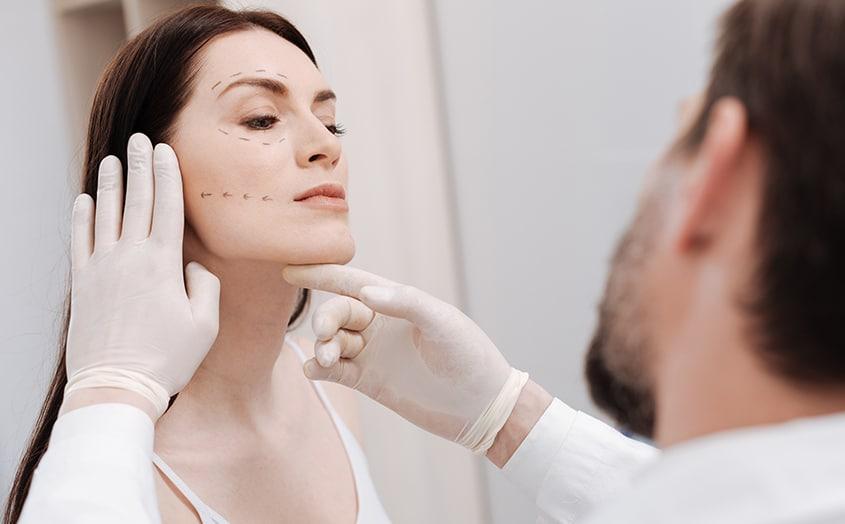
Eyelid surgery, or blepharoplasty, is a cosmetic procedure designed to rejuvenate the appearance of the upper and lower eyelids. This surgery can address sagging skin, under-eye bags, and excess fat, helping patients achieve a more youthful and refreshed look. Consulting a Riyadh cosmetic surgery expert ensures safe, effective treatment with personalized planning tailored to your facial anatomy and aesthetic goals. Understanding the procedure, risks, recovery, and potential outcomes is essential for anyone considering eyelid surgery.
Types of Blepharoplasty:
Blepharoplasty procedures can be customized to address different concerns. Key types include:
-
Upper Eyelid Surgery: Removes excess skin and fat, correcting drooping eyelids that may affect vision
-
Lower Eyelid Surgery: Reduces under-eye bags, puffiness, and fine wrinkles for a smoother appearance
-
Transconjunctival Blepharoplasty: Fat removal through the inner eyelid without external incisions, ideal for minimal skin excess
-
Combination Procedures: Addresses both upper and lower eyelids simultaneously for comprehensive rejuvenation
A Riyadh cosmetic surgery expert can recommend the most suitable approach based on your specific needs and facial structure.
Preparing for Surgery:
Proper preparation ensures safety and smooth recovery. Key steps include:
-
Comprehensive medical evaluation including health history, eye health, and vision assessment
-
Avoiding medications and supplements that increase bleeding risk
-
Quitting smoking and limiting alcohol consumption
-
Planning for post-operative care and support at home
-
Discussing aesthetic goals and potential outcomes with your surgeon
Preparation improves safety and increases the likelihood of satisfactory results.
Risks and Safety Considerations:
While blepharoplasty is generally safe, it carries some risks that should be discussed with your surgeon:
-
Infection or delayed wound healing
-
Excessive swelling or bruising
-
Temporary or permanent changes in eyelid sensation
-
Asymmetry or unsatisfactory aesthetic results
-
Rare complications such as dry eyes or difficulty closing the eyes
Working with a Riyadh cosmetic surgery expert ensures risk is minimized through proper technique and preoperative planning.
The Surgical Procedure:
Understanding the surgical process helps patients feel prepared and confident. Key steps include:
-
Administration of local anesthesia with sedation or general anesthesia
-
Removal or repositioning of excess skin, fat, and muscle as needed
-
Strategic placement of incisions along natural eyelid creases for minimal visible scarring
-
Careful closure using fine sutures to support healing
-
Post-operative care instructions provided to optimize recovery
Knowing the procedure in detail sets realistic expectations for recovery and outcomes.
Recovery and Post-Operative Care:
Recovery from eyelid surgery is relatively quick but requires careful adherence to instructions:
-
Apply cold compresses to reduce swelling and bruising
-
Keep the head elevated during rest to minimize fluid accumulation
-
Use prescribed medications for pain or to prevent infection
-
Avoid strenuous activity, swimming, and heavy lifting for several weeks
-
Attend follow-up appointments to monitor healing and remove sutures
Following post-operative instructions ensures safe healing and optimal aesthetic results.
Expected Results and Benefits:
Eyelid surgery can provide both cosmetic and functional improvements. Benefits include:
-
Reduction of sagging skin and under-eye bags
-
Smoother, firmer eyelid contour for a youthful appearance
-
Improved field of vision in cases of significant upper eyelid drooping
-
Increased self-confidence and refreshed facial appearance
-
Long-lasting results when combined with proper skincare and healthy lifestyle
Results are typically natural-looking, with a rejuvenated and alert appearance.
Scarring and Cosmetic Considerations:
Incisions are minimal and strategically placed, but understanding scar management is important:
-
Upper eyelid incisions are hidden within natural creases
-
Lower eyelid incisions can be hidden just below the lash line or inside the eyelid
-
Use of fine sutures reduces the risk of noticeable scarring
-
Post-operative care, such as scar creams or gentle massage, may improve healing
-
Realistic expectations that scars will fade but remain slightly visible
Proper planning and care help achieve aesthetically pleasing results with minimal scarring.
Long-Term Maintenance and Lifestyle Tips:
Maintaining results involves a combination of skincare and healthy habits:
-
Protect eyelids from sun exposure using sunglasses and sunscreen
-
Avoid smoking to preserve skin elasticity and healing capacity
-
Maintain a healthy lifestyle with balanced nutrition and adequate hydration
-
Consider non-surgical treatments such as laser resurfacing or chemical peels for ongoing rejuvenation
-
Schedule routine check-ups with your surgeon for long-term monitoring
Sustained care supports long-lasting results and overall eyelid health.
Psychological Considerations:
Blepharoplasty can have a meaningful impact on self-esteem and emotional well-being:
-
Enhances confidence and overall facial harmony
-
Reduces self-consciousness related to sagging or puffy eyelids
-
Supports a refreshed, youthful appearance that aligns with patient goals
-
Encourages positive lifestyle changes and self-care habits
-
Promotes realistic expectations and patient satisfaction through consultation
Addressing both physical and psychological aspects ensures a holistic approach to patient care.
Final Thoughts:
Eyelid surgery, or blepharoplasty, is a highly effective procedure for rejuvenating the eyes, enhancing appearance, and improving vision in some cases. From upper and lower eyelid surgery to minimally invasive transconjunctival techniques, there are options tailored to meet individual needs. Consulting a Riyadh cosmetic surgery expert ensures professional guidance, safe execution, and personalized care throughout the surgical journey. By understanding the procedure, preparing carefully, and following post-operative instructions, patients can achieve natural, long-lasting results that enhance both appearance and self-confidence.

 Arabic
 French
 Spanish
 Portuguese
 Deutsch
 Turkish
 Dutch
Dutch
 Italiano
 Russian
 Romaian
 Portuguese (Brazil)
 Greek
Greek