


Designing a living room that feels both inviting and visually balanced often comes down to the subtle details that ground the entire space. Among these crucial elements, floor coverings play a transformative role in defining zones, adding warmth, and pulling varied furniture pieces into a cohesive aesthetic. Mastering rug placement living room techniques allows home design enthusiasts to transform an awkward, fragmented space into an elegant sanctuary. Knowing how to position your rug the right way elevates the comfort of your home and ensures that every piece of furniture interacts harmoniously with your flooring. Whether you are working with an expansive open-concept layout or a cozy seating nook, understanding the principles of anchor lines, proportion, and scale is essential for achieving a polished look.
Understanding the Foundations of Living Room Rug Placement
To create a living room that looks professionally curated, one must first appreciate how an area rug acts as the anchor of a seating area. The placement of your rug dictates the visual boundaries of the room, drawing the eye toward focal points such as a fireplace, a main sofa, or large window vistas. When exploring stylish home decor ideas for living room spaces, designers frequently emphasize that a rug should never look like a floating island stranded in the middle of a sea of hardwood or tile. Instead, it needs to connect directly with your seating arrangement to establish a unified conversation zone.
Achieving the perfect layout requires evaluating the physical dimensions of your furniture in relation to the overall square footage of the room. A common mistake is selecting a rug that is far too small, which unintentionally makes the surrounding space feel cramped and disconnected. When learning how to place living room rug accents effectively, a fundamental rule of thumb is to ensure that at least the front legs of all primary seating pieces—such as sofas, armchairs, and side tables—rest comfortably on top of the weave. This creates an inviting, grounded baseline that pulls individual furniture elements together into a single, cohesive unit.
Exploring Classic Layout Configurations for Living Spaces
Different architectural layouts demand tailored approaches to positioning floor textiles. In traditional living rooms where the seating is arranged around a central coffee table, the all-legs-on or front-legs-only approach remains the most reliable strategy. When positioning a rug under a standard three-seater sofa, extending the rug at least eight to twelve inches beyond either side of the couch creates a generous visual frame. This proportion prevents the arrangement from looking top-heavy and adds a sense of broad grandeur to the room.
Sectional sofas present a unique spatial dynamic due to their L-shaped or U-shaped configurations. Because sectionals occupy substantial visual volume, the rug must be sized appropriately to balance the heavy furniture footprint. Positioning a large rectangular rug so that it extends beyond all sides of the sectional ensures that both the main body and the chaise portion feel anchored. Alternatively, for contemporary homes embracing fluid lines, integrating modern round rugs for living room seating areas can soften the rigid angles of modern sectionals, injecting a playful yet sophisticated geometric contrast into the decor.
In open-concept floor plans, rug placement serves as an invisible architectural divider. Without physical walls to separate the living area from the dining or entryway spaces, the rug defines where the living zone begins and ends. By layering rich textures or combining contrasting weaves, homeowners can establish distinct functional zones while maintaining a seamless visual flow throughout the broader interior.
Materials, Craftsmanship, and the Value of High-Quality Rugs
The positioning of a rug is closely tied to its material composition, pile height, and structural craft. High-traffic areas like living room pathways require durable construction that can withstand daily footfall while maintaining structural integrity. Investing in antique hand knotted persian rugs offers an unparalleled blend of artistic heritage, exceptional durability, and timeless style. The intricate craftsmanship inherent in hand-knotted textiles provides a tactile richness that elevates simple furniture arrangements into high-end design statements.
Choosing handcrafted or high-density natural wool products offers remarkable resilience against crushing and staining. Wool fibers possess a natural elasticity that allows them to bounce back after being compressed by heavy furniture legs, making them ideal for living room setups where sofas and heavy tables sit directly on the weave. Furthermore, high-quality materials reflect light uniquely, adding subtle movement and depth to your color palette throughout the day.
For larger spaces, layout options expand to allow all furniture legs to rest entirely on the rug surface. This technique produces a luxurious, grand atmosphere, particularly when featuring premium area rugs made from high-end natural fibers. In contrast, smaller rooms benefit from keeping all legs completely off the rug, letting the piece function as a decorative center image that showcases the surrounding flooring. Regardless of the size of your room, maintaining consistent borders of exposed floor around the perimeter of the room ensures the space retains its natural architectural breathing room.
When considering long-term home aesthetics, investing in exceptional floor coverings yields significant lifestyle and monetary dividends. Superior rugs act as functional art, often appreciating in aesthetic value while serving as soft, comfortable surfaces for everyday family life. Selecting well-crafted pieces ensures that your careful spatial layout is complemented by rich textures that stand the test of time
Coordinating Surrounding Spaces and Transitional Areas
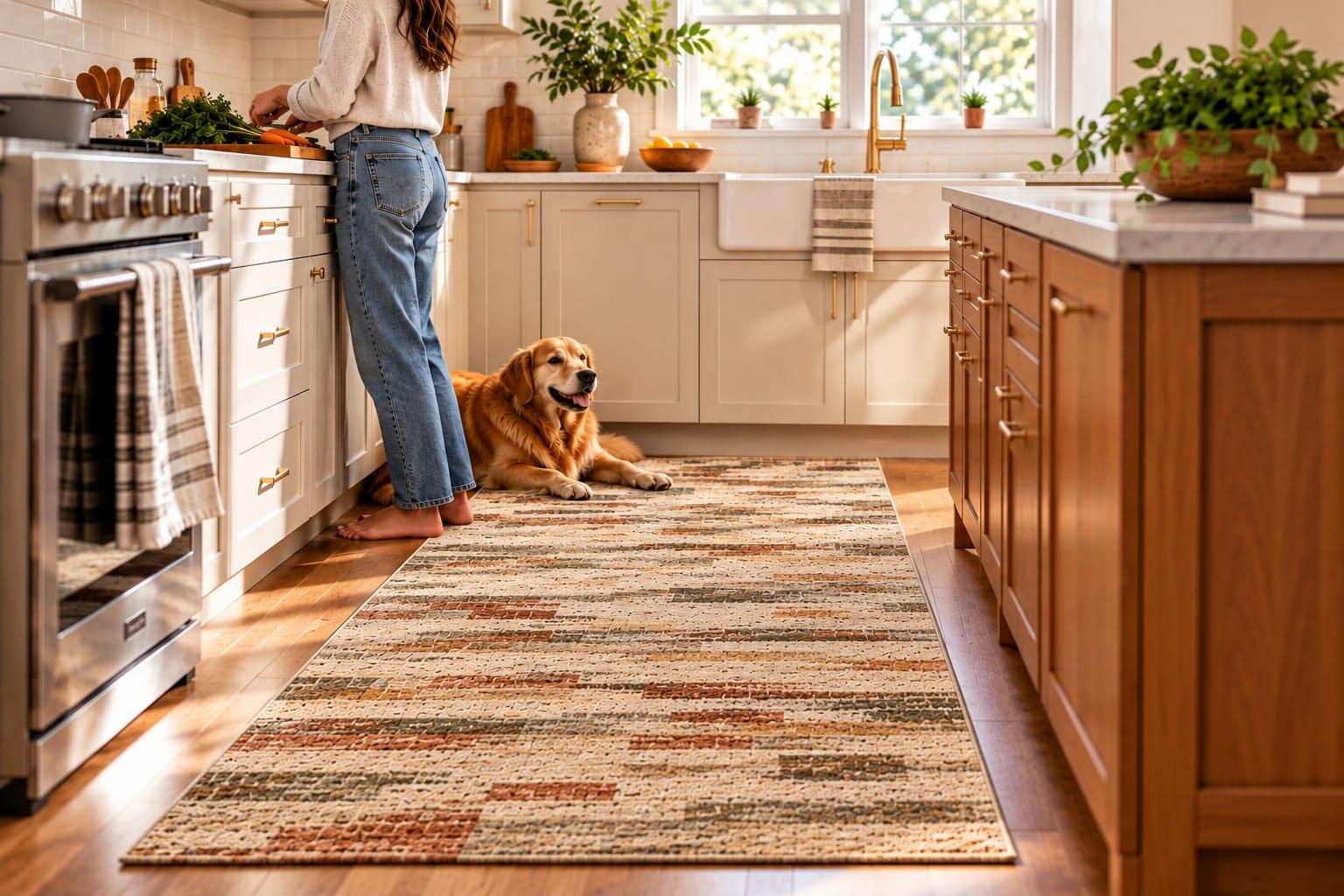
A well-designed living room does not exist in isolation; it interacts continuously with adjacent hallways, entryways, and adjoining rooms. To maintain design continuity, the floor treatments in neighboring transition zones should echo the palette and formality of the main living area. Utilizing extra long hallway runner rugs in corridors leading into the living room creates an inviting visual pathway that guides guests smoothly from the entryway into the heart of the home.
When selecting runners or accent mats for nearby spaces, maintain a cohesive thread through color tone, pattern density, or material finish rather than matching every rug identically. For example, if your main living room features a rich traditional motif, a runner with complementary accent shades helps build a harmonious design narrative throughout the residence. This thoughtful continuity expands the visual perception of your home, making the entire floor plan feel intentionally connected.
Finding the right pieces for these transitional zones often involves seeking out reputable suppliers who carry diverse collections. Homeowners wondering where to buy area rugs near me should look for specialized design showrooms and local rug boutiques that allow you to view colors and feel textures under natural lighting conditions before finalizing your choices.
Long-Term Maintenance and Restorative Care for Living Room Rugs
Proper positioning is only the first step in preserving the beauty and longevity of your living room textiles. Because furniture legs exert continuous pressure on rug fibers, periodically rotating your rug by one hundred eighty degrees helps distribute wear, foot traffic patterns, and sun exposure evenly. Using dense, high-quality rug pads beneath your floor coverings prevents slipping, absorbs impact, reduces friction against hard flooring, and adds an extra layer of luxurious cushioning underfoot.
Even with diligent preventative care, living room rugs eventually require thorough, deep cleaning to remove embedded dust, oils, and accidental spills. Professional restorers understand how to lift deep-seated grime without damaging the underlying structural warp and weft of vintage or fine textiles.
Proper maintenance protocols preserve both the structural foundation and the vibrant colors of your investments. Promptly addressing spills, protecting high-traffic zones, and scheduling routine professional cleaning guarantees that your carefully positioned rug continues to serve as an stunning focal point in your home for decades to come.
Frequently Asked Questions
Can you steam clean wool rugs?
Steam cleaning wool rugs is generally not recommended because applying direct, high-temperature heat and excessive moisture can shrink the natural fibers, cause dyes to bleed, and damage the structural backing. Wool fibers are highly absorbent and slow to dry, making them susceptible to mildew and texture degradation when subjected to harsh steam extraction. Instead, wool floor coverings should be cleaned using specialized cold-water immersion washing, low-moisture professional dry extraction methods, or gentle wool-safe detergent applications handled by experienced textile cleaning specialists.
How do I determine the correct rug size for a small living room?
Determining the correct rug size for a compact living room involves measuring your main seating area and ensuring the rug extends far enough to anchor the front legs of your primary furniture while leaving a border of exposed flooring around the perimeter of the room. In smaller spaces, an eight-by-ten-foot or six-by-nine-foot rug typically works best to create an expansive visual effect without overwhelming the available floor area. Avoiding undersized accent rugs in small living rooms prevents the layout from feeling fragmented and visually cluttered.
Should all furniture legs be placed on the living room rug?
Placing all furniture legs on the rug is an effective design choice for large or open-concept living rooms where you want to create a fully self-contained conversation space. However, placing only the front legs of sofas and armchairs on the rug is equally acceptable and often preferable in standard-sized rooms, as it grounds the seating arrangement while preserving visual floor space. The most important objective is maintaining consistency across the arrangement so that no single piece of furniture feels isolated from the rest of the room.
How far should a rug extend beyond the edges of a sofa?
An area rug should ideally extend at least six to twelve inches beyond both the left and right sides of your sofa to create a balanced visual frame. Allowing the rug to project past the outer edges of the seating prevents the furniture from appearing cramped and reinforces a sense of proportion across the entire seating area. Proper extension also provides a comfortable, soft surface underfoot when stepping into or out of the seating arrangement. When routine maintenance is no longer sufficient, turning to professional carpet cleaning and restoration near me services ensures that delicate natural fibers, hand-dyed yarns, and intricate fringe details are handled with expert care
What is the best way to keep a living room rug from slipping on hardwood floors?
The safest and most effective way to prevent a living room rug from slipping on hardwood or tile surfaces is to place a high-grade, non-slip rug pad underneath it. Quality rug pads feature dual-surface rubber or felt construction that grips both the floor finish and the underside of the rug without leaving sticky residues or causing discoloration. In addition to securing the rug firmly in place, a thick pad provides extra thermal insulation, absorbs ambient sound, and protects both the floor and the rug backing from premature friction wear.

 English
 Arabic
 French
 Portuguese
 Deutsch
 Turkish
 Dutch
 Italiano
 Russian
 Romaian
 Portuguese (Brazil)
 Greek