


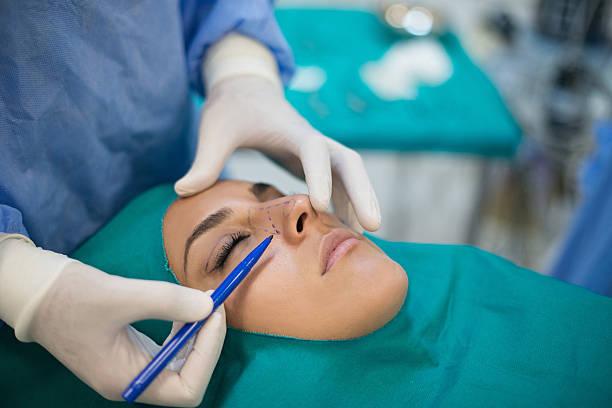
The shape of the nasal tip plays an important role in overall facial harmony. A rounded, drooping, asymmetrical, or overly broad tip can influence how the nose looks in relation to other facial features. For people who want to refine this specific area without changing the entire nose, tip plasty may be an option worth exploring. Individuals considering Rhinoplasty in Riyadh can benefit from understanding how tip plasty works, which concerns it addresses, and how it differs from full nose reshaping surgery. Knowing the available options helps patients make informed decisions based on their aesthetic goals and nasal anatomy.
Although tip plasty and rhinoplasty are closely related procedures, they differ in their scope and the structures they target. Rhinoplasty in Riyadh may involve reshaping the nasal bridge, adjusting the nasal bones, refining the tip, or correcting certain structural concerns that affect breathing. Tip plasty, by comparison, focuses primarily on the lower portion of the nose. The most suitable procedure depends on whether the concern is limited to the tip or involves other parts of the nasal structure. A professional consultation helps establish realistic expectations and determine an appropriate treatment approach.
What Is Tip Plasty?
Tip plasty is a surgical procedure designed to refine the shape, position, or definition of the nasal tip. It focuses on the cartilage and soft tissues that influence the appearance of the lower nose. Depending on the individual's anatomy, the procedure may address a rounded tip, excessive width, asymmetry, or a tip that appears too low or insufficiently defined.
Common Concerns Addressed by Tip Plasty
Tip plasty may be considered by individuals who want to improve specific nasal-tip characteristics. Common concerns include a bulbous appearance, uneven contours, excessive projection, or a drooping tip. The procedure is personalized to the patient's nasal structure, and the goal is to create a balanced appearance without unnecessarily changing the rest of the nose.
How Is Tip Plasty Performed?
The surgeon evaluates the lower nasal cartilage and surrounding tissues before selecting an appropriate technique. Depending on the required changes, the procedure may involve carefully repositioning cartilage, using sutures to improve definition, or modifying selected cartilage structures. The aim is to preserve adequate support while creating the desired contour. The technique and extent of surgery vary from one patient to another.
What Is Rhinoplasty?
Rhinoplasty is a surgical procedure that changes the shape, size, or structure of the nose. It can address concerns involving the nasal bridge, nasal bones, tip, nostrils, or overall proportions. Depending on the treatment plan, rhinoplasty may also include structural corrections intended to improve nasal airflow.
Cosmetic Rhinoplasty
Cosmetic rhinoplasty focuses on refining the nose's appearance. Patients may seek treatment for a prominent nasal hump, a wide bridge, asymmetry, or an unbalanced relationship between the nasal tip and bridge. The surgeon considers the whole face when planning changes to help achieve a harmonious result.
Functional Rhinoplasty
Functional rhinoplasty addresses selected structural problems that interfere with nasal breathing. Depending on the diagnosis, surgery may involve correcting internal nasal structures or be combined with procedures such as septoplasty. A medical evaluation is necessary to determine the source of breathing difficulties and identify suitable treatment options.
Tip Plasty vs. Rhinoplasty: Key Differences
The main difference between the procedures is the area they address and the extent of structural changes involved. Tip plasty concentrates on the nasal tip, while rhinoplasty can involve multiple parts of the nose.
Treatment Area
Tip plasty primarily targets the lower nasal cartilage and the shape of the tip. Rhinoplasty can address the bridge, nasal bones, tip, and other structures depending on the patient's needs.
Surgical Complexity
Tip plasty may be less extensive when the desired changes are limited to the tip. However, its complexity depends on the anatomy and the degree of refinement required. Full rhinoplasty may involve more extensive reshaping, particularly when changes to the nasal bones or several nasal structures are necessary.
Recovery Expectations
Recovery varies according to the technique and extent of surgery. Some patients undergoing tip plasty may experience less bruising around the eyes because the nasal bones may not need to be altered. However, swelling at the nasal tip can persist for months. Full rhinoplasty may involve additional bruising and swelling, particularly when bone reshaping is performed.
Expected Results
Tip plasty aims to refine the lower nose without significantly changing the bridge. Rhinoplasty can create broader changes to the overall nasal profile and proportions. Neither procedure guarantees a particular result, and the outcome depends on the patient's anatomy, healing process, and surgical plan.
Who Is a Suitable Candidate for Tip Plasty?
Tip plasty may be appropriate for individuals whose main concern is the shape or position of the nasal tip and who do not require significant changes to the bridge or nasal bones. Suitable candidates are generally in good overall health, have completed facial growth, and understand the limitations of surgery.
People with a prominent hump, a broad bony bridge, or breathing difficulties may need a more comprehensive assessment to determine whether full rhinoplasty or another procedure would be more appropriate. Patients who have undergone previous nasal surgery may require additional evaluation because scar tissue and changes in cartilage can affect treatment planning.
Recovery and Aftercare Following Tip Plasty or Rhinoplasty
Following either procedure, patients may experience swelling, tenderness, temporary congestion, and changes in nasal sensation. Recovery instructions depend on the surgical technique and individual circumstances. Patients should protect the nose from accidental pressure, avoid strenuous activities until cleared by their surgeon, and attend scheduled follow-up appointments.
Tip swelling can be particularly persistent because the skin and soft tissues need time to settle around the reshaped cartilage. Although early improvements may be visible within weeks, final refinement can take several months or longer. Patients should follow professional guidance rather than judge the outcome during the initial healing stage.
Risks and Important Considerations
Both tip plasty and rhinoplasty carry potential risks, including bleeding, infection, scarring, asymmetry, persistent swelling, changes in sensation, breathing problems, and dissatisfaction with the result. Tip plasty can also affect nasal support if cartilage is modified excessively. A thorough assessment helps ensure that the chosen procedure addresses the concern without compromising nasal function.
When selecting a surgeon, review appropriate qualifications, relevant experience, and the quality of preoperative counseling. Ask about the recommended technique, potential complications, recovery expectations, and whether the planned changes are realistic for your anatomy.
Book Your Consultation at Royal Clinic Saudia
If you are exploring Rhinoplasty in Riyadh or considering tip plasty, Royal Clinic Saudia can be a starting point for discussing your nasal concerns and learning about available treatment options. Arrange a consultation to have your nasal anatomy assessed, understand the differences between procedures, and receive personalized guidance about the potential benefits and limitations.
FAQs:
Is tip plasty the same as rhinoplasty?
No. Tip plasty focuses mainly on refining the nasal tip, while rhinoplasty can reshape the bridge, nasal bones, tip, and other parts of the nose. Tip plasty may be considered a limited form of nasal surgery.
Is tip plasty less invasive than full rhinoplasty?
It may be less extensive when changes are limited to the tip and the nasal bones do not need to be altered. However, the complexity depends on the patient's anatomy and the surgical techniques required.
Can tip plasty improve a bulbous nasal tip?
Yes. Depending on the underlying cartilage and skin thickness, tip plasty may improve definition and refine a bulbous appearance. The degree of improvement varies, particularly when the skin is thick.
How long does recovery take after tip plasty?
Initial recovery may take a few weeks, but swelling around the nasal tip can persist for several months. Final results may take a year or longer to become fully apparent, depending on individual healing and the procedure performed.

 English
 Arabic
 French
 Spanish
 Portuguese
 Deutsch
 Turkish
 Dutch
Dutch
 Italiano
 Russian
 Romaian
 Portuguese (Brazil)