


Overview of the Market:
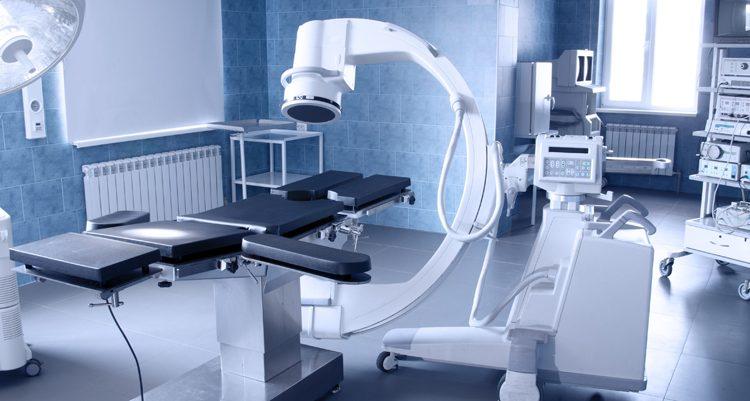
The global Refurbished Medical Equipment market is gaining momentum as hospitals, diagnostic centers, ambulatory surgical facilities, and academic healthcare institutions focus on controlling capital expenditure while upgrading medical capabilities. Refurbished equipment provides healthcare providers with access to advanced technologies at more affordable costs, particularly across diagnostic imaging, patient monitoring, laboratory, surgical, cardiology, dental, and ophthalmology applications. The market is also being transformed by digital twin-enabled refurbishment validation, automated recalibration, cybersecurity-integrated software upgrades, and improved equipment traceability. Medical Imaging Equipment represents a major product segment, while North America remains a leading regional market due to healthcare infrastructure modernization and imaging equipment replacement demand. Asia Pacific is also emerging as an important growth region as hospitals expand and healthcare providers increasingly adopt cost-efficient medical technologies.
Industry Insights: Scale, Segments, and Shifts
Market Size & Growth: The global refurbished medical equipment market is projected to reach USD 59,683 million by 2036, registering a CAGR of 9.4% between 2026 and 2036.
Access the Full Report PDF Here:
Key Market Trends:
- Rising demand for cost-effective medical equipment
- Increasing hospital infrastructure modernization
- Growing demand for refurbished MRI, CT, and ultrasound systems
- Increasing adoption of digitally validated refurbishment processes
- Growth of automated equipment recalibration technologies
- Rising use of cybersecurity-integrated medical software upgrades
- Increasing focus on healthcare equipment lifecycle management
- Growing adoption of circular healthcare procurement models
- Rising demand for affordable diagnostic technologies in emerging markets
- Increasing development of cloud-connected medical equipment solutions
Analytical Tool:
- SWOT Analysis
- PESTEL Analysis
- PORTER's Five Forces Analysis
- Value Chain Analysis
- Market Attractiveness Analysis
- Competitive Landscape Analysis
- Market Share Analysis
Regional Analysis:
- North America: A leading market supported by strong imaging equipment replacement demand, healthcare infrastructure modernization, and adoption of certified refurbishment solutions.
- Europe: Growth is supported by healthcare sustainability initiatives, certified equipment recovery networks, and increasing emphasis on circular medical equipment procurement.
- Asia Pacific: Expanding hospitals, increasing healthcare investment, and demand for cost-efficient diagnostic technologies are supporting market growth.
- Middle East & Africa: Healthcare infrastructure projects and increasing deployment of affordable diagnostic systems are creating new opportunities.
- South America: Private diagnostic center expansion and partnerships with equipment refurbishment providers are supporting market development.
SWOT Analysis:
- Strengths: Lower equipment costs, access to advanced technologies, extended equipment lifecycles, and improved healthcare affordability.
- Weaknesses: Perceived reliability concerns, varying refurbishment quality, maintenance requirements, and dependence on replacement components.
- Opportunities: Digital refurbishment, AI-enabled diagnostics, circular healthcare procurement, emerging-market expansion, and subscription-based equipment models.
- Threats: Regulatory complexity, component supply-chain disruptions, cybersecurity risks, new-equipment competition, and changing medical device standards.
PESTEL Analysis:
- Political: Government healthcare modernization programs and public healthcare investments influence demand for affordable medical equipment.
- Economic: Healthcare budget constraints and capital expenditure optimization encourage providers to consider refurbished equipment.
- Social: Increasing demand for accessible healthcare and advanced diagnostics supports adoption of cost-efficient technologies.
- Technological: Digital twins, automated recalibration, AI, cloud connectivity, and cybersecurity solutions are transforming refurbishment processes.
- Environmental: Equipment refurbishment supports longer product lifecycles and contributes to circular healthcare and resource-efficiency initiatives.
- Legal: Medical device regulations, safety validation, refurbishment certification, data protection, and traceability requirements influence market operations.
Market Share:
- Medical Imaging Equipment: Holds a leading position among product categories, supported by demand for affordable MRI, CT, ultrasound, and other imaging systems.
- North America: Maintains a leading regional position due to healthcare modernization and imaging equipment replacement requirements.
- Patient Monitoring Equipment: Represents an important growth area as healthcare facilities upgrade monitoring capabilities in critical-care environments.
- Diagnosis & Monitoring: Remains a major application area because of continued demand for affordable diagnostic and monitoring technologies.
- Certified Refurbishment Providers: Established providers benefit from growing demand for validated, traceable, and reliable refurbished equipment.
Key Players:
- Medtronic plc
- Nationwide Imaging Services
- Koninklijke Philips N.V.
- Radio Oncology Systems
- Siemens Healthineers
- Agito Medical
- Amber Diagnostics
- Avante Health Solutions
- Canon Medical Systems
- Fair Medical Co., Ltd.
- Fujifilm Healthcare
- GE HealthCare
- Henry Schein Medical
- Hitachi Healthcare Systems
Challenges:
- Strict medical equipment refurbishment regulations
- Component and semiconductor supply-chain constraints
- Quality and reliability concerns
- Cybersecurity risks in connected equipment
- Limited availability of certain replacement components
- Need for skilled refurbishment and calibration specialists
Future Opportunities:
- AI-enabled refurbishment and diagnostics
- Digital twin-based equipment validation
- Automated imaging recalibration
- Cybersecurity-integrated software retrofits
- Circular healthcare procurement models
- Subscription-based refurbished equipment services
- Expansion into underserved healthcare markets
- Cloud-connected equipment lifecycle management
Browse Trending Report:
- Battery Case Industry Outlook 2026–2036
- Automotive Lead Acid Battery Industry Outlook 2026–2036
- Air Suspension Industry Outlook
- Aircraft Interior Lighting Industry Outlook
- Aluminium Alloys Industry Outlook 2026–2036
- All-Terrain Vehicle Industry Outlook
Conclusion:
The Refurbished Medical Equipment market is moving toward digitally enabled, certified, and lifecycle-focused healthcare equipment solutions. Growing pressure to optimize healthcare spending, modernize hospital infrastructure, and expand access to advanced diagnostic technologies is expected to create significant opportunities for refurbishment providers across developed and emerging healthcare markets.
Contact Us:
Stalwart Research Insights
Website: https://www.stalwartresearchinsights.com

 English
 Arabic
 French
 Spanish
 Portuguese
 Turkish
 Dutch
 Italiano
 Russian
 Romaian
 Portuguese (Brazil)
 Greek