


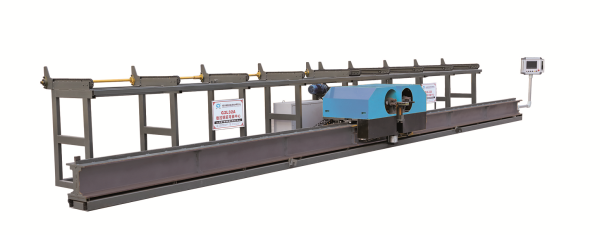
Reinforcing steel is a fundamental component of modern construction, providing essential tensile strength to concrete structures. From residential buildings and commercial developments to bridges and industrial facilities, reinforcement bars must be processed into accurate shapes before installation. As construction projects demand consistent quality and reliable production schedules, automated equipment is becoming increasingly important. An automatic rebar bending machine helps steel fabrication workshops streamline reinforcement processing while reducing repetitive manual work and supporting more organized production.
Understanding Automated Rebar Bending
Rebar bending involves shaping steel reinforcement bars according to engineering drawings and structural specifications. Depending on the application, bars may require particular angles, lengths, hooks, or geometric configurations to fit beams, columns, foundations, and other reinforced concrete elements.
Traditional bending methods can involve considerable manual handling and repeated measurements. These activities may increase processing time, particularly when workshops need to manufacture large quantities of reinforcement components. Automated bending equipment uses mechanical systems and programmed controls to simplify repetitive operations and reproduce selected shapes more consistently.
The exact capabilities depend on the machine model, supported bar diameters, steel grades, bending configurations, and control-system features. Businesses should compare these specifications with their regular production requirements before selecting equipment.
Improving Production Workflow
Construction schedules often depend on the timely delivery of accurately prepared reinforcement materials. Delays during steel processing can affect fabrication schedules, material distribution, and subsequent installation activities.
Automation can help workshops organize bending operations into a more structured workflow. Programmed settings reduce the need for repeated manual adjustments, while coordinated machine movements can simplify the production of multiple components. Operators can devote more attention to material preparation, finished-product inspections, and production planning.
For companies processing reinforcement regularly, these improvements may help manage workloads more effectively. Actual production rates will vary according to bar dimensions, bending complexity, machine setup, operator experience, and maintenance conditions.
Supporting Consistent Bending Quality
Dimensional consistency is important when reinforcement bars must fit together according to approved construction drawings. Incorrect angles or dimensions can create installation challenges, increase rework, and contribute to material waste.
Automated bending systems help reproduce established settings across production batches, supporting greater repeatability. This is particularly useful for workshops producing components with recurring specifications or supplying multiple construction projects simultaneously.
Nevertheless, automation does not eliminate the need for quality control. Operators should verify machine settings, inspect finished bars, and measure important dimensions against approved engineering requirements. Proper calibration and routine maintenance also contribute to reliable processing performance.
Applications in Construction and Steel Fabrication
Automated rebar bending equipment can support reinforcement preparation for a variety of construction applications. Fabrication workshops may use such machinery to prepare bars for building foundations, structural columns, concrete beams, industrial facilities, and infrastructure projects.
The ability to adjust bending parameters can also help manufacturers accommodate different component designs. Before processing a new batch, operators should confirm that the selected configuration matches the project drawings and that the material falls within the machine's rated operating range.
Efficient material handling and organized production planning remain equally important. Combining suitable equipment with clearly defined operating procedures can help businesses coordinate reinforcement preparation from initial processing through final inspection.
Choosing the Right Rebar Bending Equipment
Selecting industrial machinery requires careful consideration of more than advertised production speed. Buyers should evaluate supported bar diameters, compatible steel grades, bending angles, control features, installation requirements, power consumption, and expected daily workload.
Maintenance access, replacement-part availability, technical assistance, warranty coverage, and operator training should also influence purchasing decisions. Reviewing these factors helps businesses assess long-term operating requirements alongside the initial investment.
Construction suppliers researching advanced reinforcement solutions can explore an automatic rebar bending machine to examine its specifications and potential suitability for their production needs.
Ultimately, successful reinforcement processing combines appropriate machinery, skilled operators, accurate measurements, and consistent quality inspections. By integrating suitable automation into their workflow, steel fabrication businesses can improve process organization, manage repetitive tasks more efficiently, and support the dependable preparation of reinforcement materials for modern construction projects.

 English
 Arabic
 French
 Spanish
 Portuguese
 Deutsch
 Turkish
 Dutch
 Italiano
 Romaian
 Portuguese (Brazil)
 Greek