


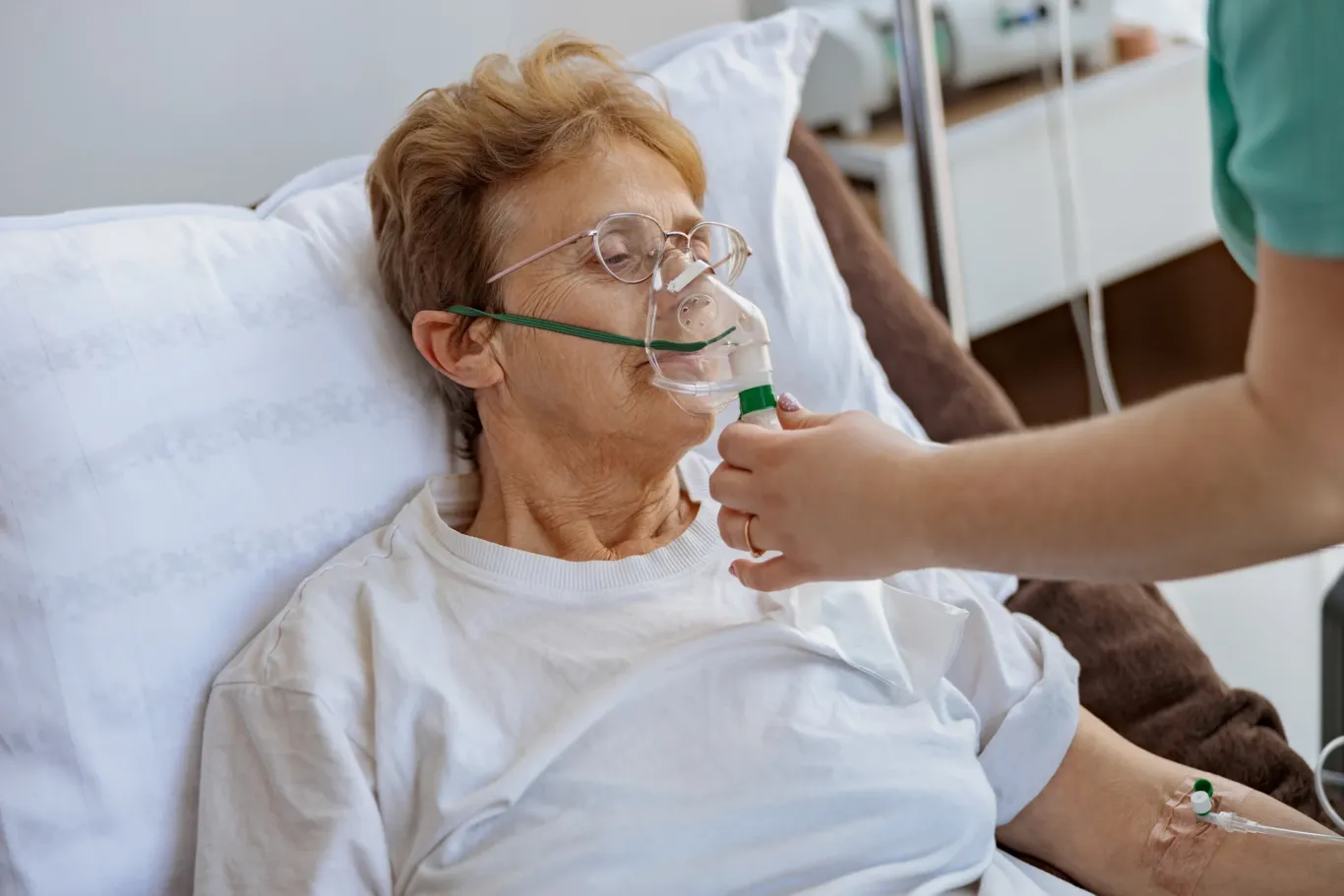
Supporting a loved one who depends on mechanical ventilation requires patience, organization, and close communication with healthcare professionals. Ventilator Care At Home In Dubai can allow patients to receive essential respiratory support in a familiar environment while staying connected with their families. With appropriate training and guidance, including support from Doctor at Home services when suitable, family members can contribute to daily care, comfort, safety, and emotional well-being. Understanding the patient’s routine and knowing when to seek professional assistance can make home-based ventilator care more manageable.
Understanding the Patient’s Ventilator Care Plan:
Families should begin by understanding why the patient needs ventilator support and what the prescribed care plan involves. Each patient has individual respiratory requirements, equipment, medications, monitoring needs, and daily routines. Caregivers should receive clear instructions from the healthcare team regarding the ventilator, airway management, alarms, hygiene, nutrition, positioning, and emergency procedures. Written instructions can be useful, especially when several family members participate in care. Caregivers should never independently change ventilator settings, medication doses, or respiratory treatments unless specifically instructed by an appropriate healthcare professional.
Creating a Safe and Organized Home Environment:
A well-organized home can make daily ventilator care easier and reduce avoidable risks. The patient’s care area should have sufficient space for the ventilator, tubing, monitoring devices, suction equipment, and other necessary supplies. Frequently used items should be stored within easy reach while keeping electrical cables and tubing arranged safely. Families should also consider lighting, cleanliness, accessibility, and emergency access when preparing the room. A consistent setup allows caregivers to become familiar with where everything belongs and can make routine care more efficient.
Learning Daily Ventilator Care Responsibilities:
Family caregivers may be involved in several routine tasks depending on the patient’s individualized plan. These responsibilities can include observing breathing, checking equipment, assisting with hygiene, maintaining prescribed airway care, recording relevant observations, and helping the patient remain comfortable. Families should receive hands-on training before performing technical procedures. It is also helpful to establish a written daily schedule that identifies which caregiver is responsible for specific tasks. A structured routine can reduce confusion and help ensure important care activities are not overlooked.
Monitoring the Patient’s Breathing and Condition:
Observation is an important part of supporting a ventilator-dependent patient. Families should learn what is normal for their loved one and recognize changes that may require professional attention. Depending on the prescribed care plan, monitoring may include oxygen saturation, respiratory rate, heart rate, temperature, alertness, skin color, and overall comfort. Caregivers should record unusual observations and communicate them to the healthcare team. Significant breathing difficulty, persistent low oxygen readings, bluish discoloration, severe drowsiness, or other signs of distress should be treated as urgent concerns.
Supporting Airway and Secretion Management:
Some ventilator-dependent patients require assistance managing airway secretions. Depending on the patient’s condition, caregivers may be trained to assist with suctioning or other airway-care procedures. These techniques should only be performed after appropriate professional training and according to the patient’s prescribed plan. Families should pay attention to changes in the amount, color, thickness, or smell of secretions. Sudden or persistent changes may need medical evaluation. Keeping airway-care supplies organized and readily available can also help caregivers follow the established routine safely.
Maintaining Ventilator Equipment:
Reliable equipment is essential for patients who depend on mechanical ventilation. Families can support equipment safety by performing routine checks recommended by the healthcare provider and manufacturer. Caregivers should look for obvious issues such as damaged tubing, loose connections, unusual sounds, or power problems. Ventilator settings should not be changed without professional instructions. If equipment malfunctions or repeatedly produces unexpected alarms, families should follow the established troubleshooting procedure and contact the appropriate healthcare or equipment-support team when necessary.
Understanding and Responding to Ventilator Alarms:
Ventilator alarms can be concerning for family caregivers, particularly when they are unfamiliar with the equipment. Families should receive training on the alarms associated with the patient’s specific ventilator and understand the appropriate response. When an alarm sounds, caregivers should assess the patient first and then follow their training. Potential causes can include disconnections, tubing problems, obstruction, or changes in airway pressure. Simply silencing an alarm without identifying the reason may delay necessary care. If the patient appears distressed or the problem cannot be resolved according to the care plan, urgent professional assistance may be required.
Preventing Infections at Home:
Infection prevention is an important responsibility for families supporting ventilator-dependent patients. Good hand hygiene should be practiced before and after respiratory care, medication assistance, or contact with airway equipment. The patient’s care area should remain clean, and equipment should be cleaned and replaced according to professional and manufacturer instructions. Families should also take reasonable precautions when someone in the household has a respiratory illness. Helpful practices include:
-
Washing hands before and after patient care
-
Keeping respiratory equipment clean as instructed
-
Following recommended equipment replacement schedules
-
Maintaining a clean patient-care area
-
Limiting unnecessary exposure to people who are ill
-
Following the patient’s healthcare recommendations for infection prevention
Supporting Nutrition and Hydration:
Nutrition and hydration can influence a patient’s strength, comfort, and overall well-being. Some ventilator-dependent patients may have swallowing difficulties or require specialized feeding arrangements. Families should follow the nutrition and feeding plan established by the healthcare team. Caregivers can monitor whether the patient is tolerating feeds and report concerns such as vomiting, coughing during feeding, abdominal discomfort, or changes in hydration. Any major changes to feeding schedules, nutritional formulas, or fluid intake should be discussed with the appropriate healthcare professional rather than introduced independently.
Helping With Positioning and Mobility:
Safe positioning can improve comfort and help reduce complications associated with prolonged immobility. Families should follow professional recommendations for repositioning, transfers, and movement. Patients with limited mobility may require assistance with regular position changes and skin checks to reduce the risk of pressure injuries. Ventilator tubing should be arranged carefully during movement to avoid unnecessary pulling or accidental disconnection. Where appropriate, physiotherapists can provide guidance on exercises, stretching, mobility, and positioning that fit the patient’s medical condition.
Supporting Personal Hygiene and Comfort:
Personal hygiene is an important part of maintaining dignity and comfort during long-term home care. Families may assist with bathing, oral care, hair care, changing clothes, and maintaining clean bedding, depending on the patient’s level of independence. Care should be provided respectfully and according to the patient’s abilities and preferences. During hygiene activities, caregivers should ensure that ventilator tubing and airway connections remain secure. Skin should also be observed for redness, irritation, or pressure-related changes so concerns can be communicated to healthcare professionals promptly.
Maintaining Medication Safety:
Patients receiving ventilator care may also have medications that must be taken according to a specific schedule. Families can support medication safety by keeping an updated medication list, organizing doses according to professional instructions, and recording medications that have been administered when necessary. Caregivers should avoid changing doses, stopping prescribed medicines, or adding new products without discussing them with the appropriate healthcare professional. Keeping medications stored safely and checking labels before administration can help reduce avoidable errors.
Supporting Emotional Well-Being:
Living with mechanical ventilation can affect a patient’s emotional well-being, communication, independence, and daily activities. Families can provide reassurance by maintaining familiar routines and encouraging appropriate social interaction. Patients should be included in conversations about their care whenever they are able to participate. Reading, music, television, hobbies, family conversations, and other suitable activities can help maintain a sense of normalcy. If caregivers notice persistent changes in mood, behavior, sleep, or communication, these concerns should be discussed with the healthcare team.
Preparing for Emergencies:
Families should have a written emergency plan that everyone involved in care understands. The plan should explain what to do if there is a power failure, ventilator malfunction, accidental disconnection, airway problem, or sudden change in the patient’s breathing. Emergency supplies should be stored in an accessible location, and caregivers should receive appropriate training on backup equipment when prescribed. Useful information to keep readily available includes:
-
Emergency contact numbers
-
The patient’s medical information
-
Current medication list
-
Ventilator and equipment details
-
Backup power information
-
Emergency respiratory supplies
-
Healthcare provider contact information
Working With Professional Home Care Teams:
Family involvement is valuable, but caring for a ventilator-dependent patient can involve complex responsibilities that require professional support. Qualified home nurses can assist with respiratory monitoring, airway care, equipment checks, hygiene, medication support, and caregiver education according to the established care plan. Professional assistance can also help families maintain continuity when primary caregivers need rest or have other responsibilities. Families should communicate regularly with the home-care team and report changes in the patient’s condition promptly.
Keeping Regular Medical Follow-Ups:
Regular medical follow-ups help the healthcare team evaluate whether the patient’s respiratory and home-care needs remain appropriately managed. Families can prepare for appointments by maintaining notes about unusual ventilator alarms, secretion changes, sleep patterns, feeding concerns, medication issues, or changes in activity. The healthcare team may review the patient’s overall condition, equipment, airway needs, nutrition, and rehabilitation requirements. Keeping communication open between family caregivers and healthcare professionals supports a coordinated approach to long-term care.
Final Thoughts:
Supporting a patient receiving Ventilator Care At Home In Dubai requires teamwork, preparation, and consistent attention to safety. Families can make an important contribution by learning the patient’s care plan, maintaining a clean and organized environment, monitoring changes, supporting nutrition and comfort, maintaining equipment, and preparing for emergencies. Professional home healthcare can provide additional assistance when respiratory needs are complex or continuous. By working closely with qualified healthcare professionals and respecting the patient’s individual needs, families can help create a supportive home environment focused on safety, dignity, comfort, and quality of life.

 Arabic
 French
 Spanish
 Portuguese
 Deutsch
 Turkish
 Dutch
Dutch
 Italiano
 Russian
 Romaian
 Portuguese (Brazil)
 Greek
Greek